Sitting down at a fine dining restaurant should be an immersive experience, but a multi-course menu can initially feel like its own language. Course names may refer to regional dishes, the sequence may move beyond the familiar pattern of starter, main course, and dessert, and not everything served at the table is included in the menu’s course count.
This guide explains how to read a fine dining menu in Bali before the first plate arrives. Apéritif Restaurant in Ubud provides an example through Guided by the Moon, a degustation menu shaped by Indonesian regional cuisines and European technique. Its 5- and 7-course formats show how a restaurant can create a progression through food, pacing, and technique.
Why Canapés and Mignardises Are Not Counted
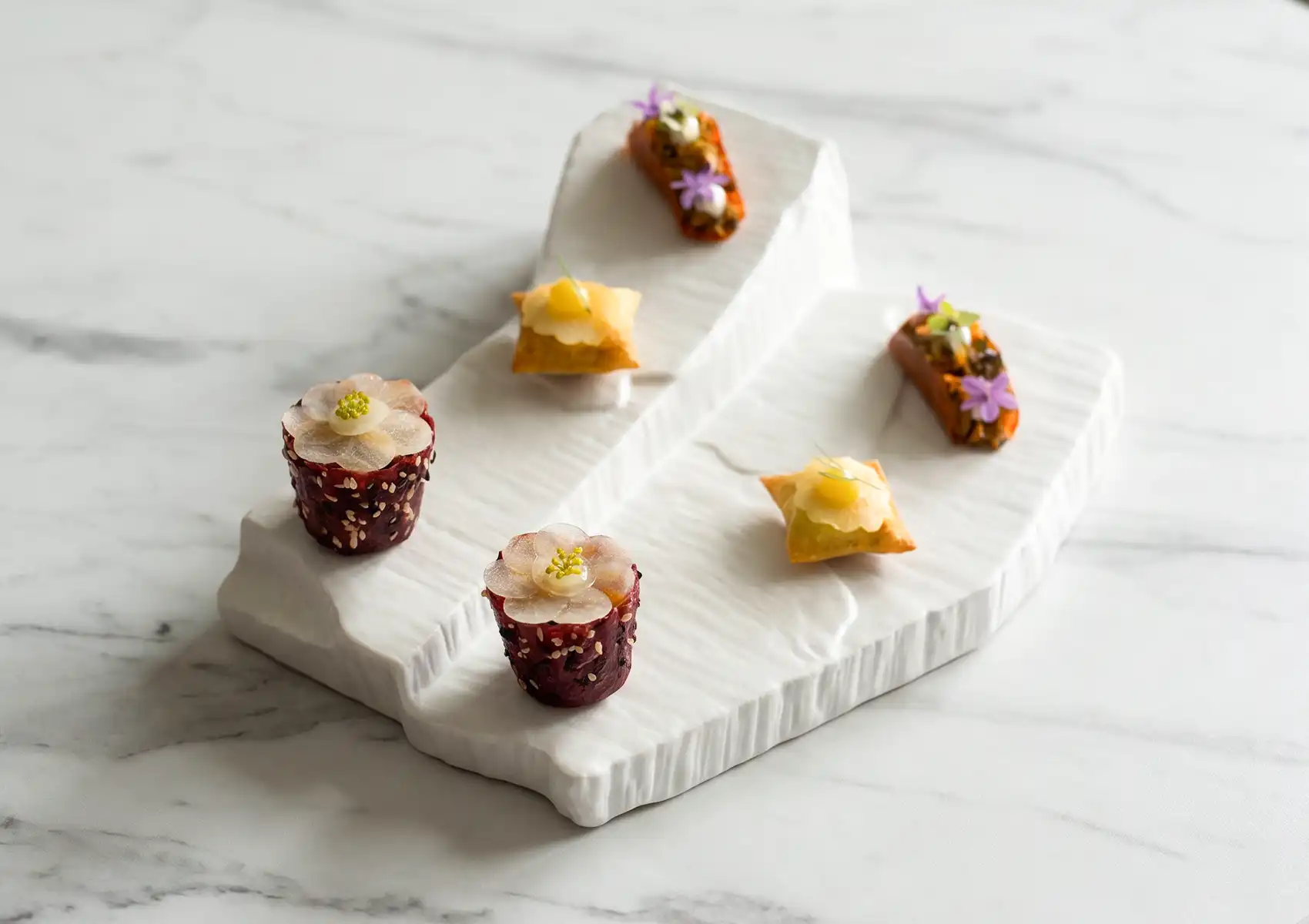
A degustation menu often begins with canapés or an amuse-bouche before the first formal course. These small bites introduce the evening and prepare the palate before the formal course sequence begins. At Apéritif Restaurant, canapés form part of the opening experience but are not included in the stated course count.
The same principle applies at the end. Mignardises are small sweet bites served after the final course, often alongside coffee or tea.
This means a seven-course fine dining menu can include more than seven culinary moments. Canapés and mignardises sit outside the main count, while the seven principal courses provide the central structure of the evening. Understanding this distinction makes a degustation menu easier to follow.
Five Courses or Seven Courses
The five-course menu offers a complete progression with its own beginning, middle and close. It moves through the main stages of the Guided by the Moon experience in a more concise format, making it suitable for guests who want a full degustation without choosing the longer menu.
The seven-course fine dining menu adds further stages to the progression. The Growing Moon includes cauliflower, caviar, oyster gel, crab and sambal matah. The After Full Moon brings organic chicken with lobster, while the Dark Moon features chocolate and tamarind before the mignardises. A cheese platter is also available as a supplement to the seven-course format.
The seven-course menu is therefore not simply a longer list of dishes. It gives the evening more room to develop through additional savoury and sweet stages. The five-course menu offers a more edited version of the same culinary journey.
The choice between the two is ultimately about how much time and appetite you want to give to the evening, rather than one format being better than the other.
Reading Apéritif Restaurant’s Guided by the Moon Menu
A degustation menu often uses a central idea to connect its courses. Guided by the Moon follows the lunar cycle, giving each phase a name and a place in the evening sky. The phases provide an underlying structure for the menu, guiding the progression from the opening courses towards the final stages.
The menu’s cultural identity comes through Indonesian regional cuisines and ingredients. Apéritif Restaurant describes its culinary philosophy as “European Technique. Indonesian Soul.”. The Indonesian reference provides the flavour foundation, while European technique gives each course its structure, texture and precision.
The Full Moon course illustrates this approach. It takes inspiration from Bubur Manado, a rice porridge from North Sulawesi made with vegetables and pumpkin, and expresses those flavours through a risotto with Madura blue crab. The format changes, but the Indonesian reference remains central to the dish.
The Venison Wellington offers another example. Its pastry construction belongs to European technique, while the rendang element connects it to the slow-cooked spiced preparation associated with West Sumatra. Reading a dish in this context means looking beyond its title and considering which ingredients, flavours or culinary traditions give it its identity.
This is one of the defining characteristics of Indonesian fine dining in Ubud. A menu can draw from the archipelago without presenting every dish in its original form. Technique may change the format, but the Indonesian reference continues to guide the course.
Vegetarian and Vegan Menus
Vegetarian fine dining in Bali works best when the menu is designed around plant-based ingredients from the beginning. A vegetarian course should not simply feel like a standard dish with its main protein removed. It needs its own balance, texture, and place within the progression of the meal.
At Apéritif Restaurant, vegetarian and vegan menus are available as dedicated menu options rather than last-minute substitutions. This allows the kitchen to build the experience around ingredients such as vegetables, grains, herbs, fruit and other plant-based elements that can contribute savoury depth, acidity, sweetness and texture.
The same principle applies to a plant-based degustation menu in Ubud. The sequence needs to move naturally from its opening courses through a developed centre and towards a considered close.
Guests with allergies or other dietary requirements should communicate them in advance so the kitchen can prepare accordingly. As specific dishes can change with the menu in service, the current vegetarian and vegan offerings should also be confirmed when making a reservation.
How Time and Wine Shape the Menu
Reading a fine dining menu also means understanding its pace. A multi-course dinner is designed to unfold gradually, with space between courses for guests to appreciate changes in flavour and texture while leaving room for conversation and service.
Wine plays a related role. Apéritif’s wine cellar is part of the dining environment, while wine pairing can follow the progression of the menu. The useful question is not only which wine is being served, but why its freshness, weight, acidity, or structure works alongside a particular course.
Wine pairings and selections can change alongside the menu, so current pairing details are best confirmed when making a reservation. The broader principle remains the same: wine can provide another way of experiencing the progression, responding to the character of each course rather than treating every plate in isolation.
Dinner service begins at 6 pm, and reservations are highly recommended to be made in advance. Allowing sufficient time for the full experience is particularly important when choosing a multi-course degustation menu.
Trusting the Culinary Team
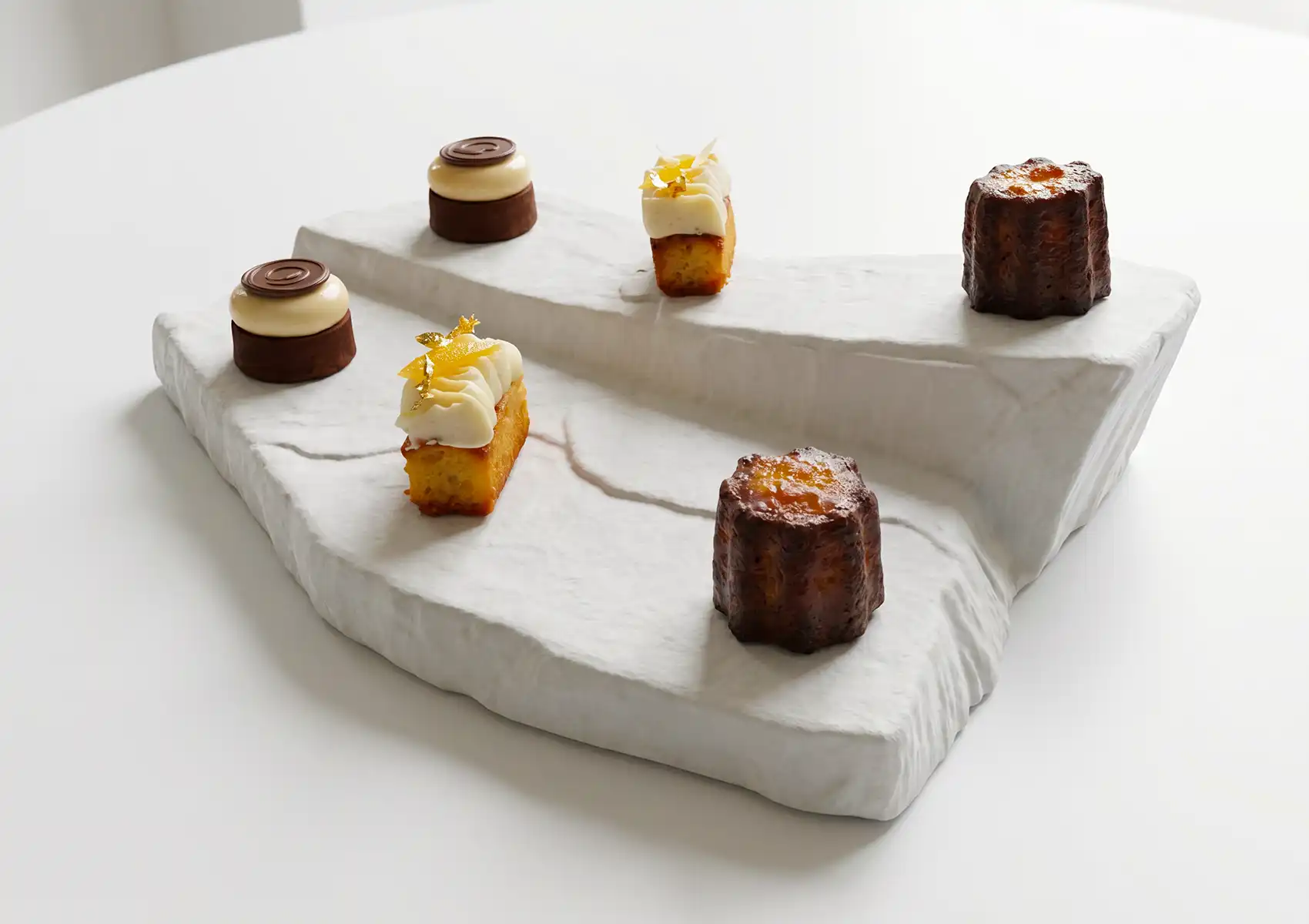
A fine dining menu is less a set of instructions than a guided sequence. Once the basic structure is clear, there is no need to analyse every course before it arrives. Canapés begin the experience, the main courses develop the culinary idea, and mignardises bring it to a close.
Understanding that structure also makes it easier to appreciate the details that connect one course to the next. At Apéritif Restaurant, the lunar cycle, Indonesian culinary references, and European techniques give Guided by the Moon its overall direction.
The best way to approach a degustation menu is therefore to understand the framework, then let the kitchen take the lead. The menu provides the outline, while the food, pacing, and service shape the experience at the table.
For the latest Guided by the Moon menu and current dining options, see Apéritif Restaurant’s reservation page.