What Wine Goes Best With Fine Dining?
There is no single wine that goes best with fine dining.
Whether you are indulging in a tasting menu or an à la carte menu, the flavours of fine dining are refined and layered. Wine pairing here is not just ‘red wine with meat, white wine with fish’. It is about how food and wine work together on the table.
This guide walks you through the key factors that shape wine selection in fine dining.
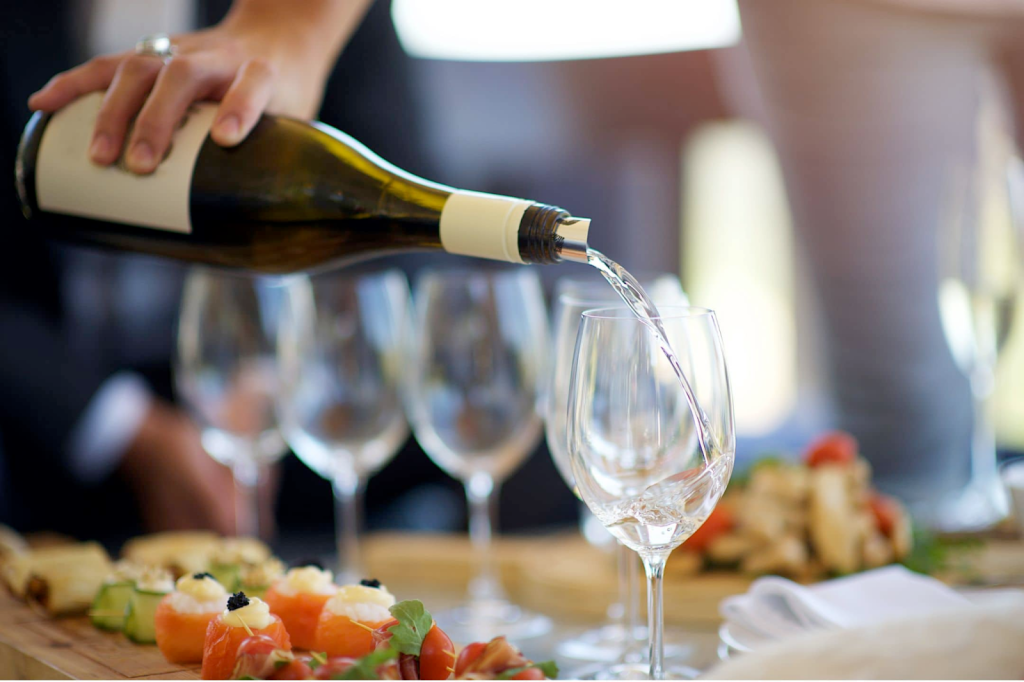
7 Factors That Influence Wine Selection in Fine Dining
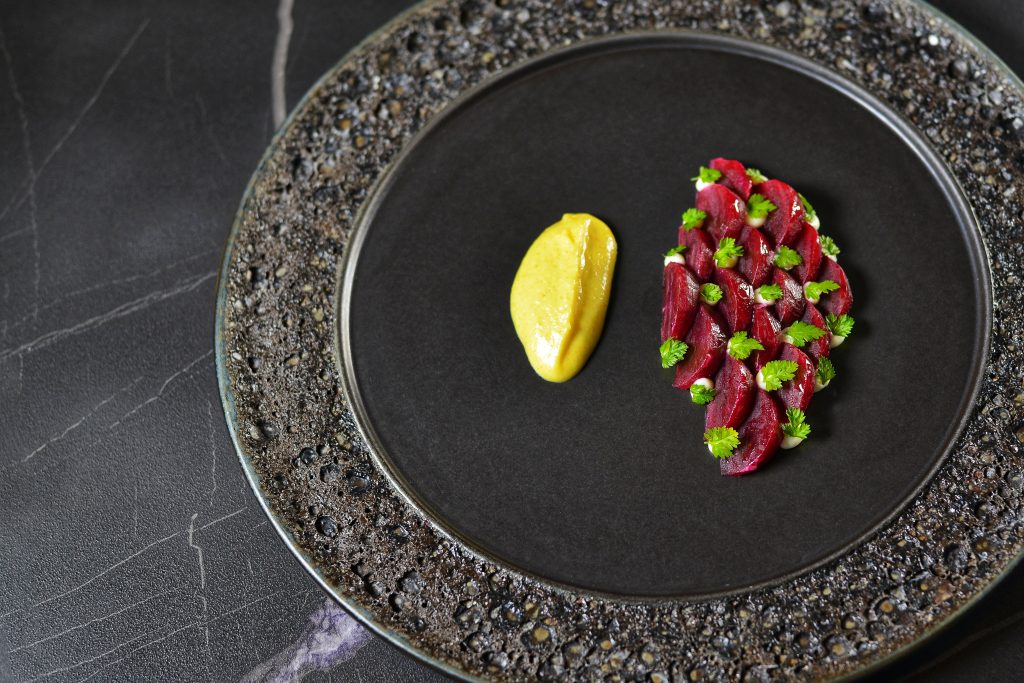
1] The Sauce
The sauce changes how a dish comes across – light, rich, or spicy.
The same meat can taste fresh with a lemon dressing, heavy with a cream sauce, or hot with a spice glaze. So, a creamy sauce pairs with a wine that lends richness, a lemon sauce calls for freshness, and a spicy sauce needs something gentle so the heat is not made sharper.
2] Food Flavour
Flavour is about accents and notes.
Wine and food both carry flavour notes beyond basic sweetness, sourness, saltiness, or bitterness.
Wine notes can be earthy hints like truffle, buttery tones from oak, or fruity aromas. Food notes can be truffle risotto, a butter sauce on lobster, grilled fruit, or spice rubs.
When wine and food share the same notes, they blend and feel more complete.
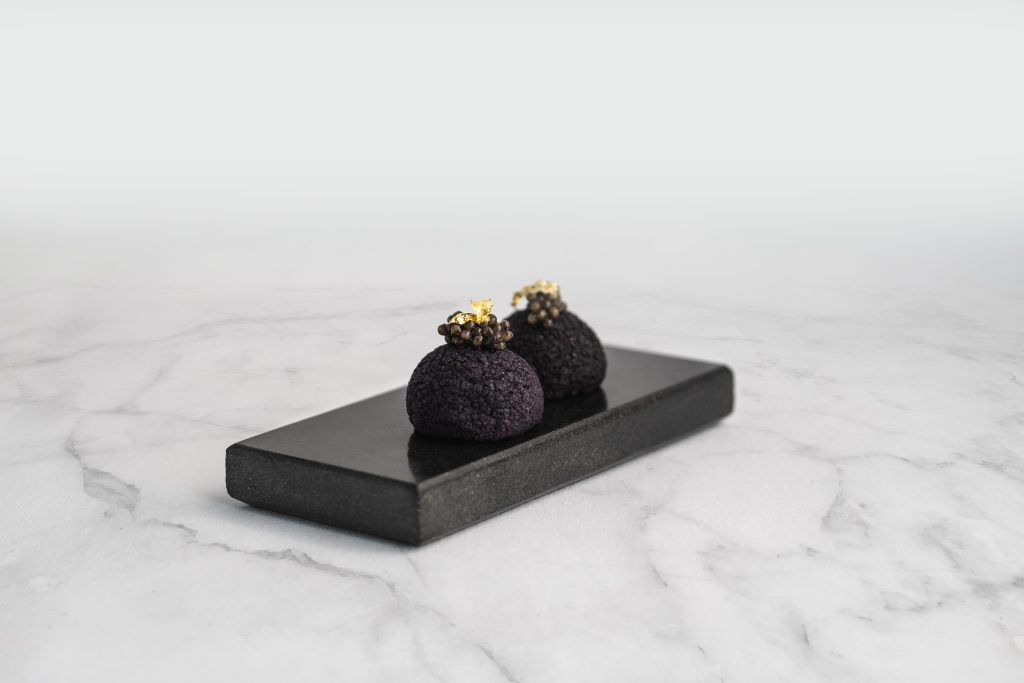
3] Food Intensity
Intensity is about the strength of flavour.
A light dish like seared scallops or a garden salad feels delicate. A heavy dish like braised lamb shank or lobster in cream sauce feels rich.
Light-bodied wines are fresh and gentle. So, they suit lighter dishes. Wines with a full body complement heavier foods because they feel strong and bold. If the match is reversed, the balance breaks.
In a fine dining restaurant that has a professional sommelier, wine is thoughtfully suggested to match each course’s food intensity, so each course is balanced throughout the dining entire experience.

4] Food Texture
Texture is about how it feels in the mouth.
Food can be creamy, oily, fatty, salty, or crunchy. Wine has texture, too. Acidity feels sharp, tannins feel drying, bubbles feel fizzy, and sweetness feels smooth.
Matching or contrasting these textures makes both food and wine feel better. For example, sparkling wine cuts the fried food’s grease. Sweet wine softens the salt in blue cheese.
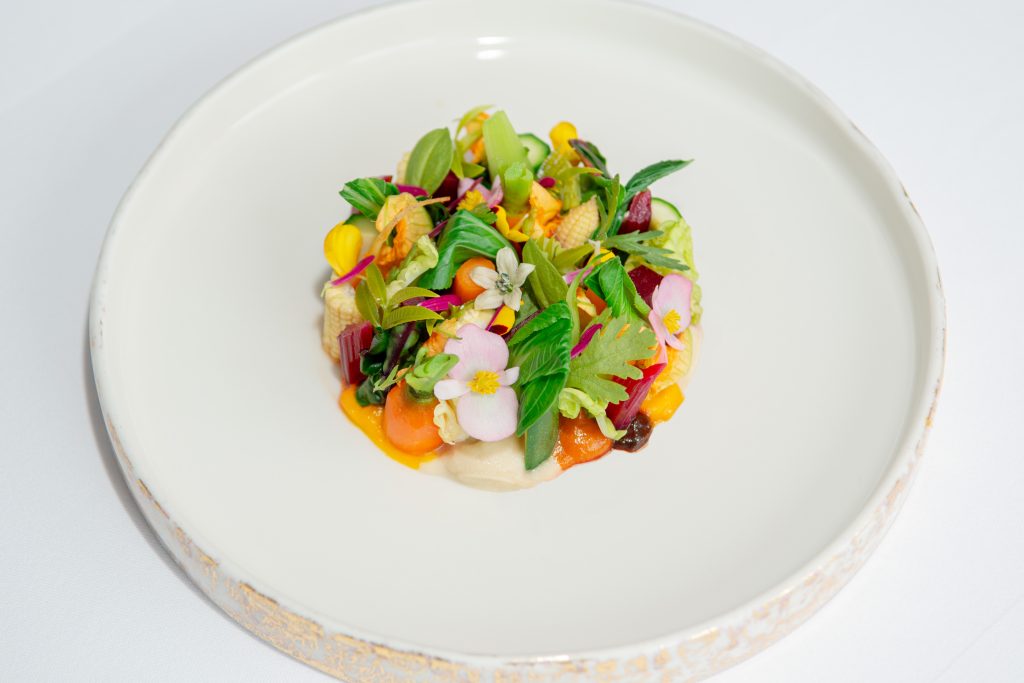
5] The Stage of the Meal
The stage of the meal sets the flow of wines.
This aspect matters most in tasting menus, where courses progress from light to rich to sweet. Starters are light, so crisp or sparkling wines work well. Mains are richer, so fuller wines fit better. Desserts need sweet wines, or the wine will taste sour.
In à la carte dining, even if you are sticking with one bottle, think about when it will be drunk. Something lighter works better at the start; something fuller fits later.
6] The Occasion
Some wines are linked with occasions. For instance:
- Champagne and sparkling wines are associated with celebration. Their bubbles and freshness set a lively tone.
- Bold reds are common at formal dinners. They feel rich, weighty and commanding. They suit heavier dishes and a serious setting.
- Lighter wines, like whites or rosés, can fit a daytime or relaxed setting. They feel easy to drink.
However, these rules are not rigid. In fine dining, especially with tasting menus, the menu’s flow guides the wine more than the occasion itself.

7] Your Taste
Your taste is the final factor.
The dish, the stage of the meal, and the pairing principles all shape the wine choice. Within those choices, your preference comes first.
If you dislike dry reds, choose a lighter style even with beef. If you enjoy sweeter wines, lean toward them outside dessert. Use your taste to fine-tune the choice.
How to Choose the Right Wine in Fine Dining
Choosing Wine for a Tasting Menu
A tasting menu progresses from light starters to rich mains and ends with dessert. One bottle rarely works. The shifts are too wide.
It is better to enjoy a wine flight. It consists of small pours matched to each course. It is a mini tour of wines alongside the food. Or, you can order wine by the glass.
You can start with a crisp or sparkling wine, move to a fuller red with the mains, and finish with a sweet wine for dessert. The idea is not to find one perfect wine. It is to let the wines mirror the chef’s flow so each course feels complete.
Choosing Wine for an À la Carte Menu
You usually choose just one bottle for the table. The best wine here is the one that suits the main dish or balances the group’s choices.
If everyone orders different dishes, go for a versatile wine that can handle a range, like a Pinot Noir (a lighter red), a Sauvignon Blanc (a crisp white), or even a dry rosé. These wines are balanced. So, they do not clash easily with either light or rich dishes.
If you want to impress, match the bottle to the richest dish on the table. And if in doubt, champagne is a safe choice because it refreshes and suits most foods.
Wine Pairings at Apéritif Restaurant
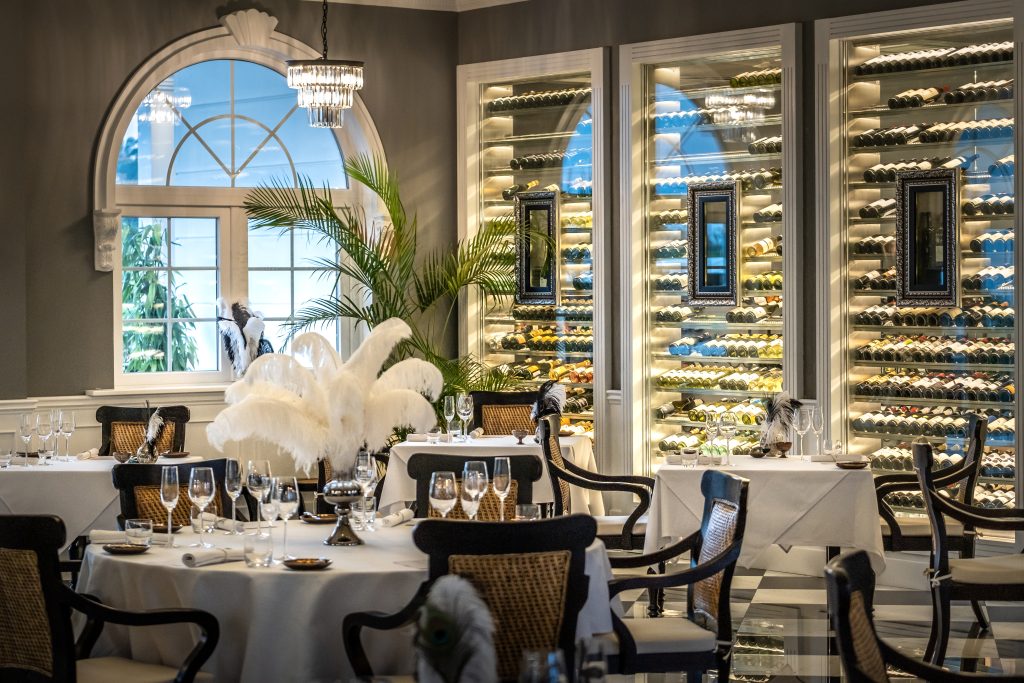
Apéritif Restaurant offers one of Bali’s finest wine collections. Its cellar holds over 220 wine labels from around the world. The list spans France, Italy, and Australia, along with rare gems from Indonesia. Some bottles date back as far as 1855.
You can enjoy classic pairings or request bespoke matches tailored to your palate. Each pour complements the food; it transforms the entire dining experience. Book now.