A professional kitchen can have up to 15 types of chefs, all working in coordination.
Not every kitchen has them all. In a casual restaurant, one chef may handle everything – slicing, cooking, and plating.
Fine dining kitchens usually divide tasks into separate roles. This way, the work is organised, food tastes the same each time, and service is efficient even when the restaurant is very busy. This system comes from the kitchen brigade, designed by French chef Auguste Escoffier.
This guide introduces you to the different types of chefs and the roles they play in a professional kitchen. It gives you a clearer picture of the system that brings food to the table.
Managerial Roles
The Executive Chef is the top-ranking chef in a professional kitchen. They oversee kitchen management and culinary direction. They do not always participate in the daily, hands-on cooking.
Note: Not every kitchen employs an Executive Chef. Many restaurants instead have a Head Chef.
When both roles exist, the Head Chef ranks just below the Executive Chef. In this case, the Head Chef works in the kitchen, manages other chefs, oversees food preparation, and runs daily operations. When only one role exists, the Head Chef takes on the responsibilities of the Executive Chef.
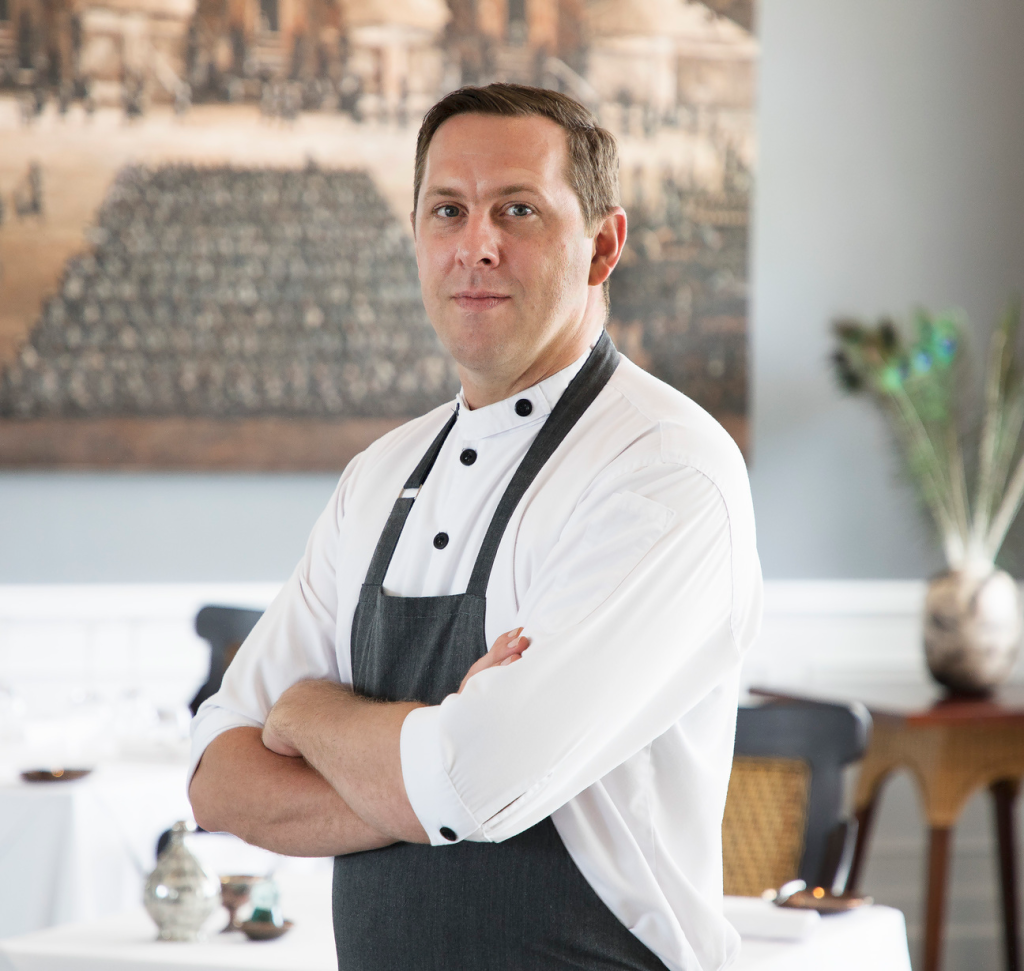
Example: Executive Chef Nic Vanderbeeken is the executive chef of Apéritif Restaurant, a fine dining restaurant in Ubud.
The Sous Chef is second-in-command. They execute the Head or Executive Chef’s plans, supervise the kitchen floor, and ensure smooth daily service.
The following tabulation compares the Executive Chef/Head Chef’s tasks with those of the Sous Chef.
Note: A dash (-) indicates duties handled exclusively by the Executive or Head Chef.
| Executive Chef / Head Chef | Sous Chef |
| Create and refine menus | Implement menus; ensure dishes are prepared according to plan |
| Develop recipes | Train staff to follow established recipes; assist in testing dishes |
| Decide where to source the ingredients | – |
| Manage food and supply inventory | Monitor stock levels; reorder ingredients when needed |
| Establish supplier relationships and negotiate contracts | – |
| Ensure meals meet standards for taste, presentation, and food safety | Check plates before they leave the kitchen; maintain consistency |
| Develop and manage the kitchen budget | – |
| Minimise waste and control costs to maximise profitability | Supervise portioning and storage to reduce waste |
| Ensure hygiene, sanitation, and workplace safety standards | Enforce hygiene rules during service; maintain cleanliness |
| Hire, train, mentor, and supervise kitchen staff | Train junior chefs; oversee daily performance on the line |
| Build a positive work environment and resolve staff issues | Support teamwork during service; report issues to Head/Executive Chef |
| Collaborate with the restaurant manager for seamless dining | Communicate with the front of house to coordinate orders |
Tabulation: Executive Chef vs Sous Chef: Key Tasks
Specialised Roles
The chef types we are listing below focus on specific areas of the kitchen.
They function almost like an Executive Chef or Head Chef of their stations. In most cases, the junior chefs handle the actual cooking and prep work.

Pastry Chef (Pâtissier)
The Pastry Chef oversees the dessert and pastry offerings. They ensure the sweet course meets the same standards as savoury dishes.
Tasks:
- Create and refine seasonal dessert recipes
- Supervise breads, viennoiserie, and confectionery work
- Guide plating, decoration, and presentation
- Train and manage the pastry team
Pantry Chef (Garde Manger)
The Pantry Chef manages the preparation of cold dishes. They ensure dishes look good and taste fresh.
Tasks:
- Prepare salads, appetisers, and cold soups
- Oversee charcuterie, cured meats, and cheese selections
- Plate and garnish cold dishes
- Train junior staff at the station

Station Chefs (Chefs de Partie)
Each one runs a cooking area:
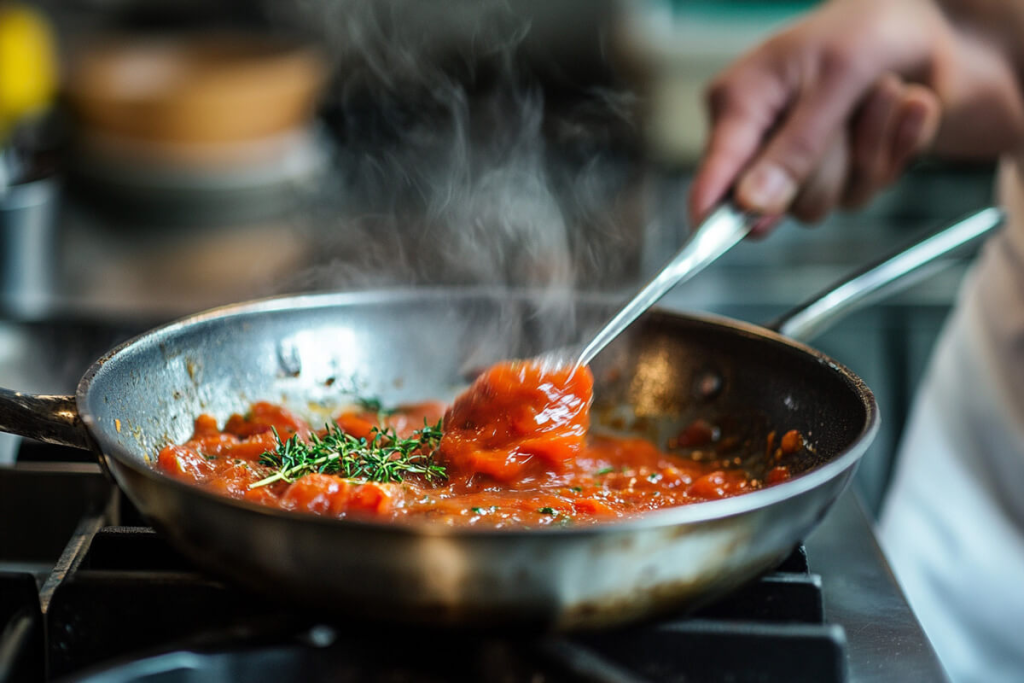
Makes sauces, gravies, and reductions. Also cooks sautéed meats and pan-based dishes.
Handles the grill: steaks, chops, and vegetables.
Cooks fish and shellfish. Often works with the saucier for sauces.
Prepares deep-fried foods like appetisers and sides.
Prepares vegetables, soups, rice, and egg dishes.
Roasts and braises meat and poultry. Also makes jus and gravies from roasting.
Cuts and portions meat and poultry. Gets each piece ready for the right station.

Support Roles
Commis Chef
Assists the station chefs while learning and building skills.
Prep Cook
Handles cutting, chopping, and other prep work so the line runs smoothly.
Expediter (Aboyeur)
Checks each dish before it leaves the kitchen. Calls out orders, ensures plates are correct and on time.
Swing Chef (Chef Tournant)
Steps in at any station when extra hands are needed, especially in peak hours.
Chef Types Beyond the Brigade System
Many chefs pursue careers in homes, catering, or even food innovation. These roles use the same culinary foundation but apply it differently.
Corporate Chef
The corporate chef designs menus and recipes for a group of restaurants or hotels. They ensure consistency across outlets and often manage training and quality standards.
Example: The corporate chef at high end hotel chains create recipes that are served in hotels throughout the world.
Private Chef
Families hire a private chef to cook at home. The chef plans menus around the homeowners’ preferences and dietary needs. They prepare meals daily or only for special events.
Example: Some celebrities hire private chefs to prepare customised healthy meals that suit their lifestyle.
Personal Chef
A personal chef runs their culinary business. They choose their clients and cook meals at clients’ homes.
Example: A personal chef visits the employer once a week to cook and pack meals for the coming days.
Catering Chef
The catering chef designs menus for big groups and supervises how the food is cooked. They also manage logistics for large gatherings.
Example: A catering chef designs and oversees the menu for a wedding banquet.
Research & Development (R&D) Chef
The R&D chef works with food companies or restaurants. They innovate menus, improve products, and adapt to modern dining trends.
Example: An R&D chef develops a new chip flavour to be launched in the market.

FAQs
Chefs train in culinary schools or through apprenticeships. Cooks learn skills on the job by handling the prep, cooking, and plating.
A pastry chef makes desserts and fine pastries. They focus on presentation. A baker makes breads, cakes, cookies, and pastries in large batches.
Culinary certificates may take a few months to a year. Degrees take 2–4 years.
Yes. Many chefs take pastry, butchery, or wine pairing courses. Some pursue diplomas in culinary management. This additional qualification helps them master one area and stand out in fine dining kitchens.
Yes. Many fine dining venues showcase the resident chef. Guests often follow the chefs they admire. For example, Chef Massimo Bottura is the face of Osteria Francescana in Italy.

Visit Bali’s Renowned Fine Dining Restaurant
Apéritif Restaurant is one of Bali’s most sought-after fine dining venues.
Executive Chef Nic Vanderbeeken leads the kitchen. Executive Sous-Chef Jason Doenlen and Sous Pastry Chef Dayu assist him. They blend local flavours with contemporary European techniques to craft world-class degustation menus.
The restaurant welcomes diners into an elegant 1920s colonial-style dining room and elevates the experience with a curated wine list and warm hospitality. Book now.