Fine dining awards are often reduced to a badge or a line beneath a restaurant’s name. Their more useful role is to show what an independent organisation has chosen to examine, celebrate or include in its selection.
The answer varies from one award body to another. Some focus on the dining experience, some recognise restaurants within a particular region, while others concentrate on a specific area such as wine. No single award describes every part of a restaurant, and an award is only one point of reference when considering a dining experience.
Apéritif Restaurant in Ubud provides a useful example. Its current recognitions include a Silver Star for Best Medium-Sized List at Star Wine List of the Year Southeast Asia 2026, Indonesia’s Best Restaurant at the World Culinary Awards 2026, and inclusion in Tatler Best’s 20 Best Restaurants in Indonesia in both 2025 and 2026. These recognitions come from different programmes and should be understood within their individual contexts.
Awards Begin With a Set of Criteria
An award has meaning within the criteria and process of the organisation presenting it. A wine-focused programme may assess the quality and structure of a wine list, while a restaurant guide may consider food, service, setting and the overall dining experience. Each organisation has its own method of evaluation or selection.
That is why the name of the award matters. Saying that a restaurant has “won awards” gives the reader limited information. Naming the organisation, category and year provides a clearer picture of what has actually been recognised.
The careful approach is to state what the recognition is, who gave it and which year or region it belongs to. Claims should remain close to the official wording of the award or guide. A specific recognition is more informative than a broad adjective applied to the restaurant.
Culinary Identity
One quality that awards and restaurant guides can draw attention to is culinary identity. A menu with a clear point of view gives guests a way to understand why its dishes belong together and what the kitchen is trying to express.
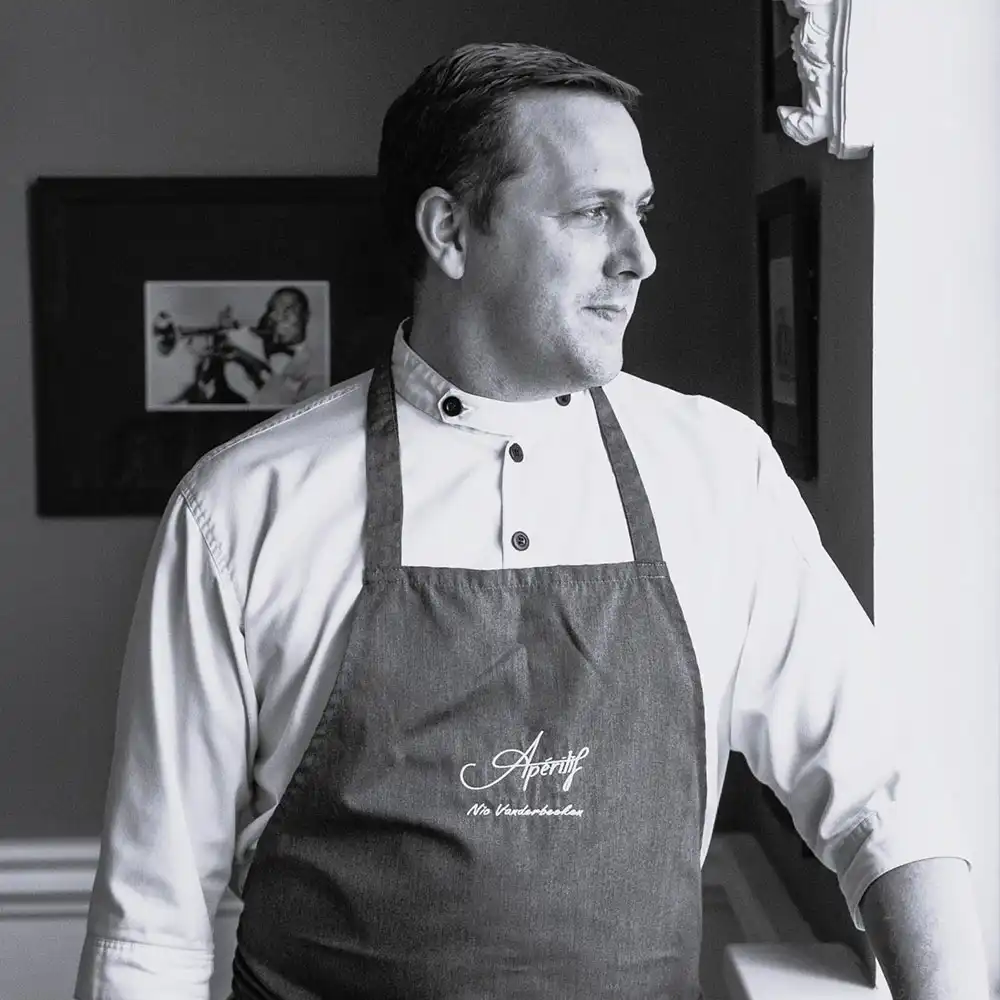
At Apéritif Restaurant, the culinary philosophy is “European Technique. Indonesian Soul.”. Indonesian ingredients and regional culinary traditions shape the menu, while European techniques bring precision to each dish.
The Guided by the Lunar Cycle degustation expresses this philosophy through a menu inspired by the lunar cycle. It is available in 5- and 7-course formats, with the menu developing through different stages of the evening.
The identity of a restaurant is therefore not only found in individual dishes. It can also be seen in how ingredients, techniques and ideas come together across the menu.
An award does not create a culinary identity. It can, however, bring attention to a restaurant with a distinctive approach, after which the menu and dining experience need to communicate that approach for themselves.
Consistency Across the Evening
Fine dining is a complete service, and consistency is an important part of creating a considered experience. Guests encounter the restaurant through the reservation, arrival, welcome, service, pacing, food, wine and close of the evening.
Consistency does not mean that every visit has to feel identical. A seasonal menu can change, and service can respond to the people at the table, while the restaurant’s standards remain recognisable. What matters is how well the different parts of the evening work together.
At Apéritif Restaurant, dinner service begins at 6 pm, and reservations require at least 24 hours’ notice. These arrangements allow the restaurant to prepare for a multi-course dining experience and any dietary requirements communicated ahead of time.
Service as Part of the Recognition
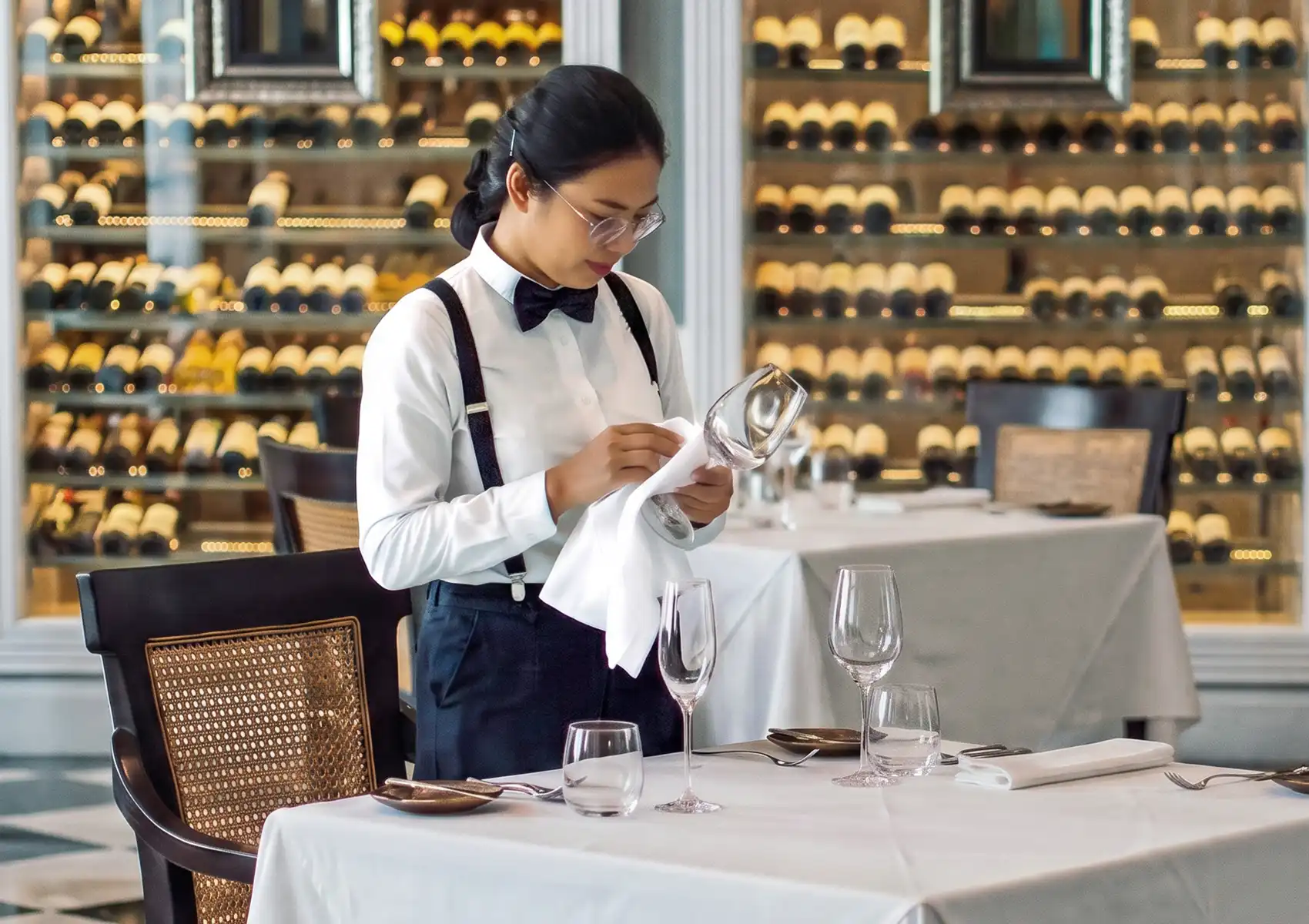
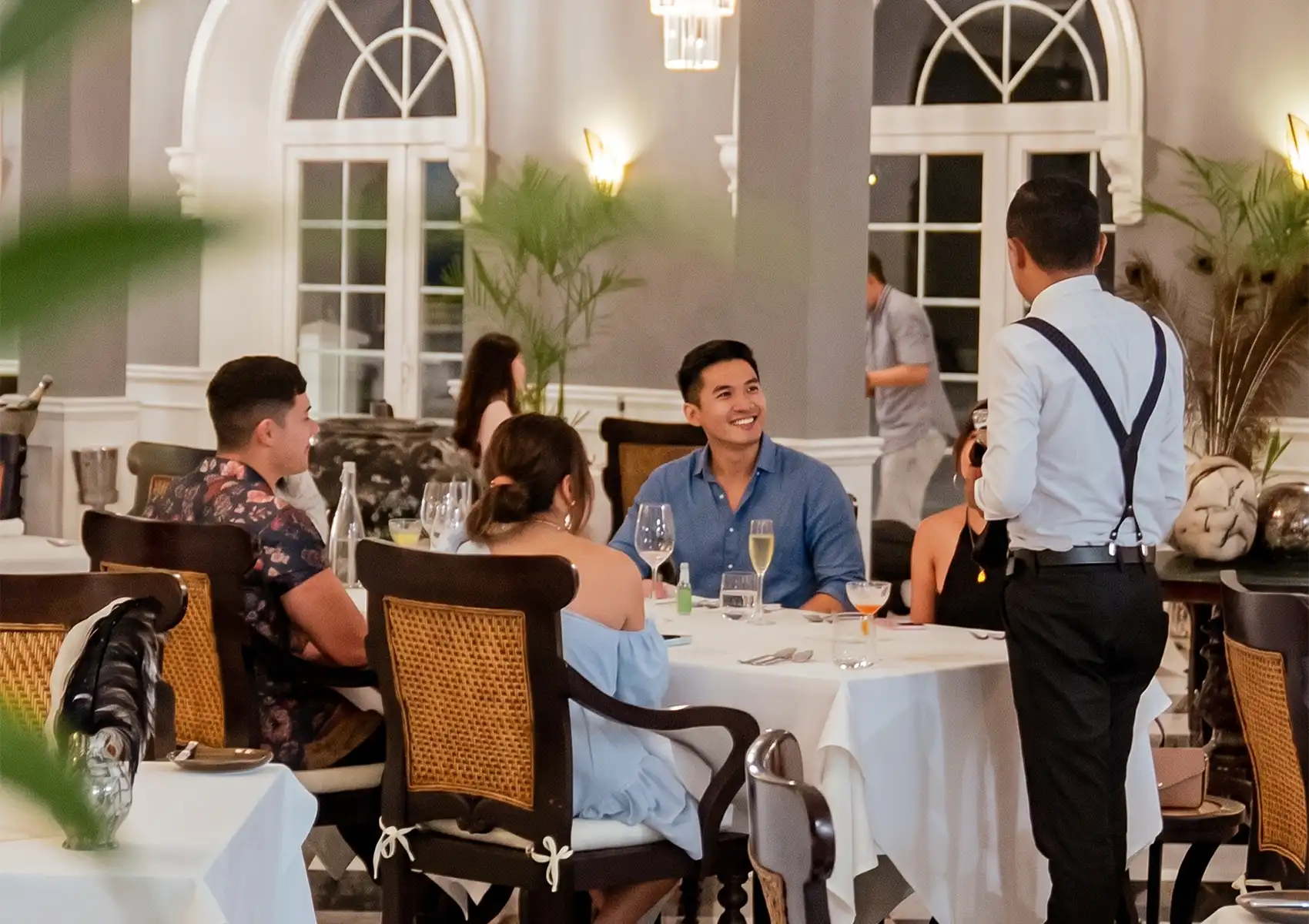
Food may be the most visible part of a restaurant award, but service determines how the food reaches the table. Timing, menu knowledge, attention to dietary requirements and an understanding of the pace of a table all influence how a guest experiences the meal.
For a degustation restaurant, service also includes explanation. Guests may want to understand the menu’s lunar structure, the origin of an Indonesian reference or the difference between the five- and seven-course formats. A good explanation provides context while allowing the meal itself to remain the focus.
Dietary care is another part of the experience. Apéritif Restaurant offers dedicated vegetarian and vegan menus as part of its regular dining options. Guests should communicate allergies and other dietary requirements in advance so the kitchen can prepare appropriately.
Wine Has Its Own Area of Expertise
Wine awards recognise a specific part of dining. They may draw attention to the breadth of a cellar, the coherence of a list, the relationship between wine and food, or the knowledge with which the selection is presented.
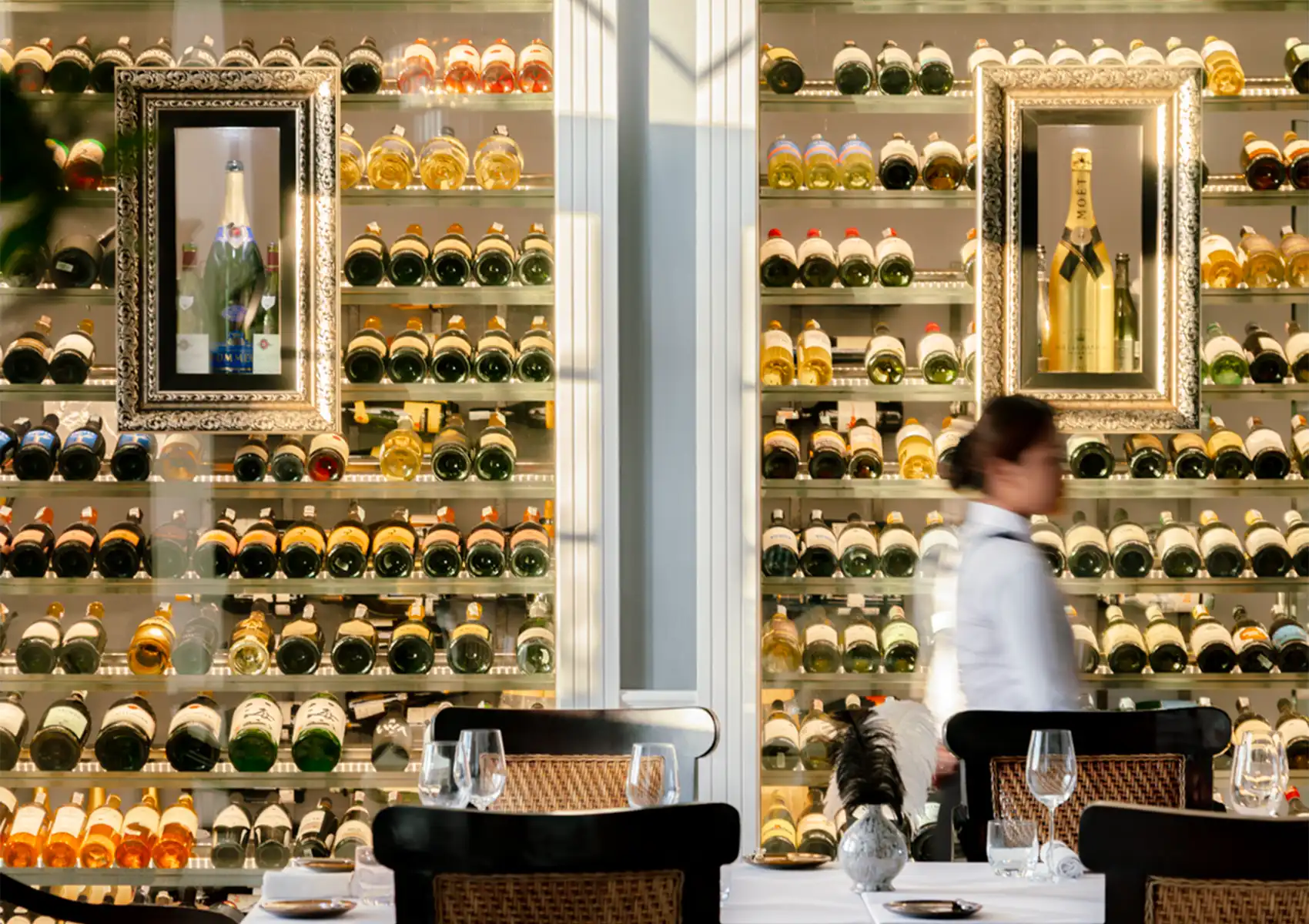
The Star Wine List of the Year 2026 South-East Asia is an approved recognition for Apéritif Restaurant. The restaurant’s wine cellar is located in the dining room, placing wine within the visible setting of the meal rather than treating it as a detail separate from the table.
The recognition should still be read precisely. A wine award does not describe every course, and a culinary award does not automatically describe the wine programme. Different awards can illuminate different parts of the same restaurant.
The Setting and the Complete Experience
The dining room also contributes to how a restaurant is experienced. Apéritif Restaurant has a 1920s-inspired interior and is set above the Valley of the Kings in Ubud. The room provides the setting for the degustation, while the menu creates the culinary progression.
Setting is more than decoration. Lighting, sound, table spacing and the arrangement of the room can all influence how guests experience the meal. Guides and awards that consider the overall dining experience may take these elements into account alongside food and service.
Specific descriptions are also more useful than broad claims. An Art Deco-inspired or 1920s-inspired interior tells the reader more than simply calling a restaurant luxurious, while the name and category of an award provide more information than an unexplained superlative.
How to Read Apéritif Restaurant’s Recognitions
Apéritif Restaurant’s current recognitions can be understood as different forms of external recognition.
Star Wine List of the Year Southeast Asia 2026 awarded Apéritif Restaurant a Silver Star for Best Medium-Sized List. The World Culinary Awards named Apéritif Ubud Indonesia’s Best Restaurant in 2025. Tatler Best Indonesia included Apéritif Restaurant in its 20 Best Restaurants in both 2025 and 2026.
These recognitions should not be combined into a single claim. Each belongs to a different programme, with its own criteria, selection process and terminology. Together, they provide several points of reference for guests researching the restaurant.
Tatler Best, for example, describes its 20 Best Restaurants Indonesia selection as a curated list without a ranking system. This makes the distinction between being included in a guide and being ranked particularly important.
The same principle applies to other awards. A precise description of what was recognised is more useful than turning every accolade into a broad statement about the restaurant as a whole.
What Fine Dining Awards Actually Recognise
Fine dining awards and restaurant guides can recognise different parts of the dining experience, including culinary identity, wine, service, setting and overall quality. Their value depends on understanding the organisation behind each recognition and keeping the description within the scope of what was actually awarded or selected.
At Apéritif Restaurant, these recognitions sit alongside a clear culinary philosophy and a menu designed around a central idea. European Technique. Indonesian Soul. The Guided by the Lunar Cycle degustation gives the restaurant its culinary point of view, while the dining room, wine programme and service shape how that menu reaches the table.
For guests researching fine dining in Bali, awards can provide useful context before making a reservation. The recognition tells you what an organisation has highlighted; the menu and dining experience let you decide what that means for you.
Apéritif Restaurant serves dinner from 6 pm in Ubud, with reservations recommended at least 24 hours in booking.