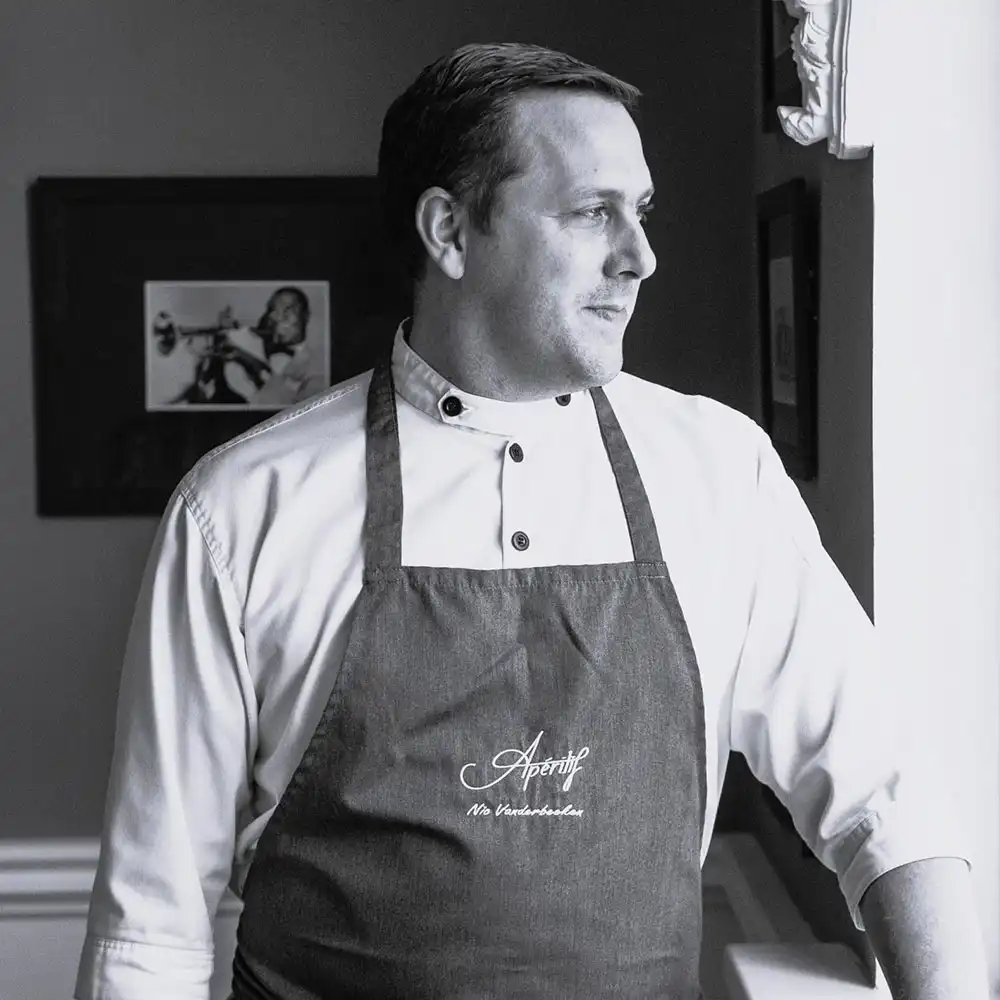
Most guests do not arrive at Apéritif thinking about fermentation. They arrive thinking about a special evening, a considered menu, a kitchen with a clear point of view. But fermentation is quietly present from the first bite to the last, running through the current degustation menu as a consistent and deliberate flavour logic. It is not a technique applied for effect. It is a way of thinking about ingredients that Chef Nic Vanderbeeken brought with him from Belgium, found waiting for him in Indonesia, and has since been developing in this kitchen.
Three fermented ingredients on the current menu tell that story most clearly. Each one is different in its origin, its technique, and its role on the plate. Together, they reveal something about how a fine-dining kitchen in Ubud approaches time as an ingredient.
Kombucha and the Zero Waste Tomato
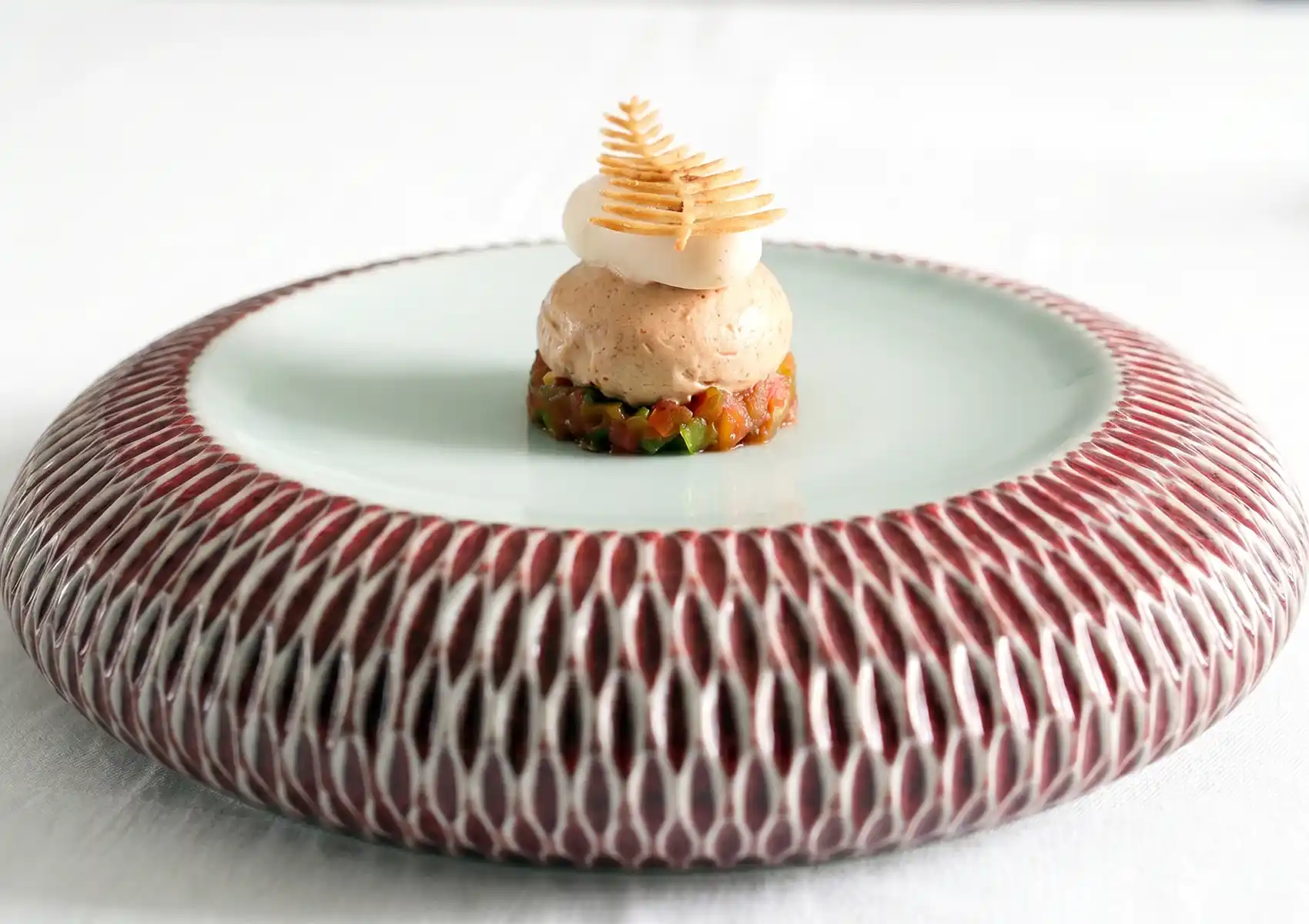
The first fermented element a guest encounters at Apéritif arrives at the Heirloom Tomato course, the Nearly Full Moon of the degustation menu. Green and red tomatoes are presented with goat cheese mousse, crème fraîche, tomato powder, and a house-made kombucha.
Kombucha is produced by fermenting sweetened tea with a symbiotic culture of bacteria and yeast, known as a SCOBY. Fermentation produces acidity, carbonation, and layered complexity that vary with the tea used, the duration of fermentation, and the environmental conditions under which it develops. At Apéritif, the kombucha on the Heirloom Tomato course is made in-house from kitchen trimmings, making it a direct expression of the zero-waste philosophy that runs through the kitchen.
Its role on the plate is precise. The goat cheese mousse brings richness and a lactic tang. The tomato powder concentrates the fruit’s natural intensity. The kombucha provides the acidity that lifts both elements without overwhelming either. It does not announce itself as a fermented ingredient. It simply makes everything around it more coherent.
Chef Nic describes the dish as about memory, creativity, and avoiding waste of beautiful produce. The kombucha is where all three of those ideas converge: a fermented ingredient made from what would otherwise be discarded, used to bring back to life a dish many guests still remember from the Covid period.
Six-Month Miso and the Study in Soy
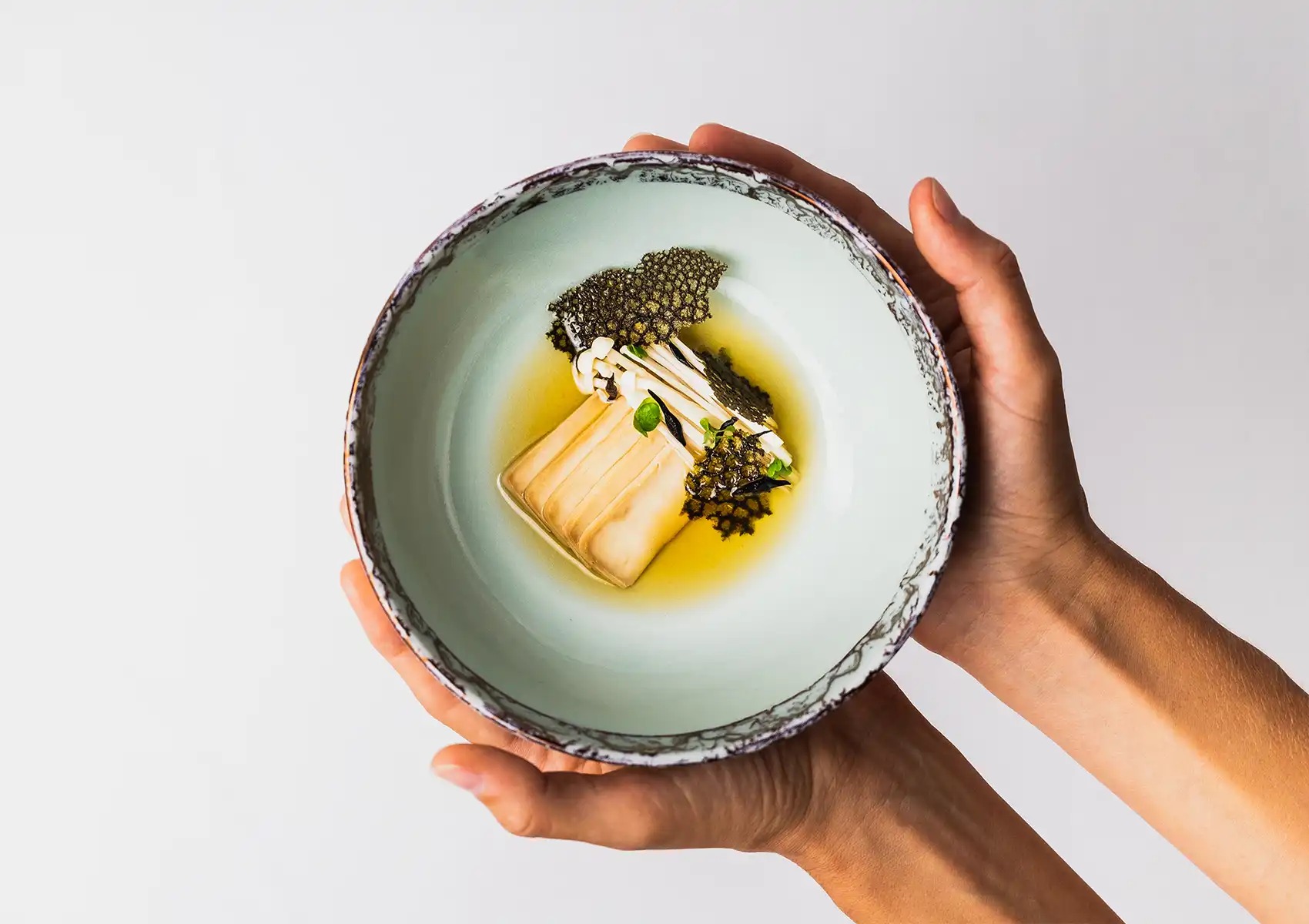
The second fermented element appears on the vegetarian and vegan degustation menus in the Tofu course: six-month miso alongside jicama, black carrot, and hijiki.
Miso is produced by fermenting soybeans with salt and koji, the same mould culture that underpins much of Japanese fermentation. Over months, the proteins in the soybeans break down, and the paste develops an umami depth that is impossible to produce any other way. Six months falls within a medium range: long enough for significant flavour development, short enough to retain the brightness that longer-aged misos lose.
The pairing with tofu is deliberately considered. Both ingredients derive from soy. The tofu represents the ingredient in its freshest, most neutral form: white, clean, and mild. The six-month miso represents what time and microbial activity do to that same ingredient: dark, complex, and intensely savoury. The dish places them side by side as a study of the same base material at two different points in its life.
This kind of thinking sits at the centre of the Borderless Food concept that defines Apéritif’s culinary philosophy. It is not about combining ingredients from different countries for novelty. It is about recognising that the same culinary intelligence appears across cultures, and that a chef trained in one tradition can speak meaningfully to another if he listens carefully enough. Miso is Japanese. Tofu is Chinese in origin but deeply embedded in Indonesian cooking. Six months of fermentation connect them on a fine dining plate in Ubud.
Tape Financier and the Final Moon
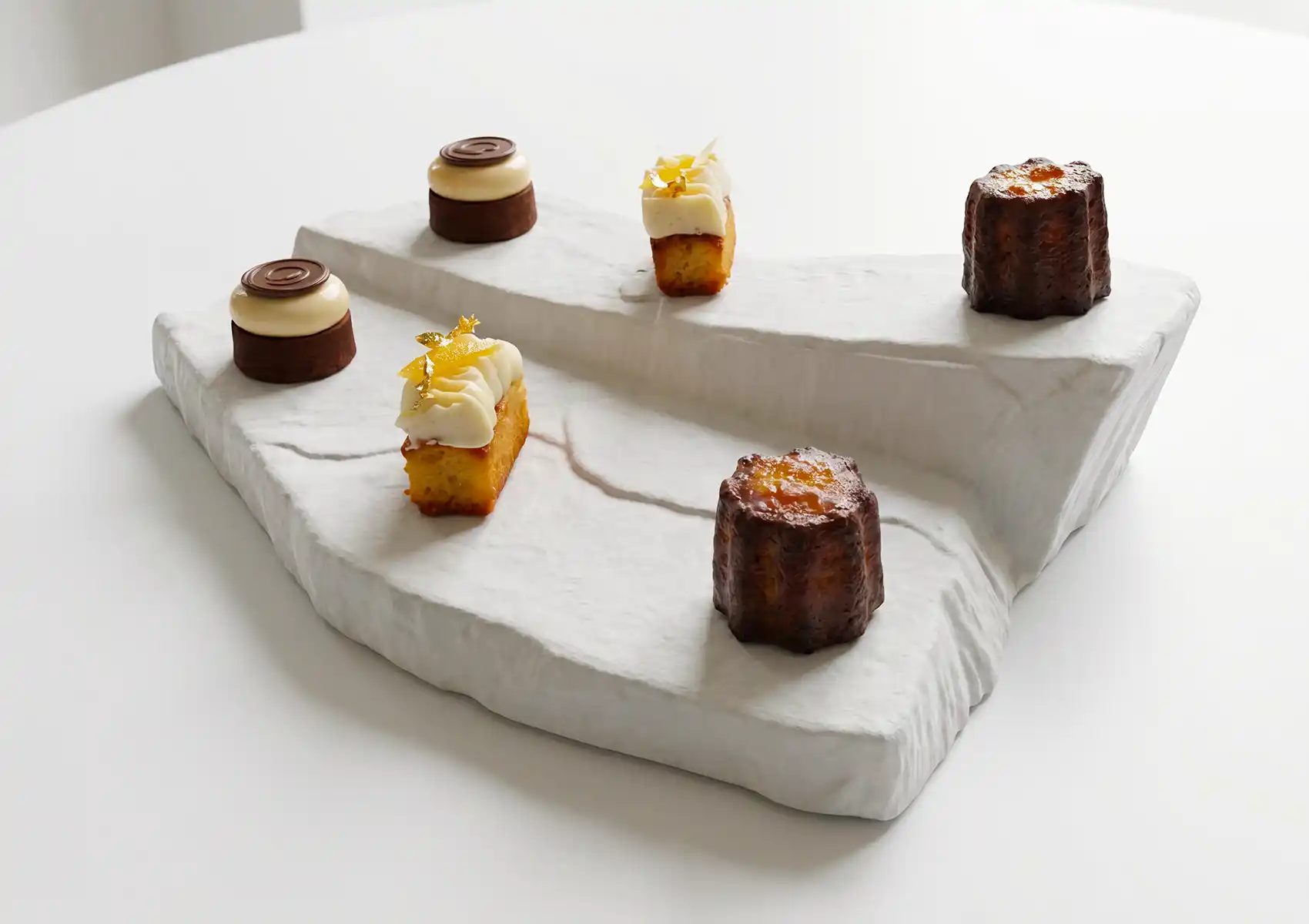
The third fermented element arrives at the very end of the meal, in the Mignardises that close the Lunar Cycle degustation: a tape financier, alongside a canelé and a passion-fruit-and-chocolate bite.
Tape is fermented cassava, produced by inoculating cooked cassava with Rhizopus mould and allowing it to ferment for two to three days. The result is a cassava that is softer, sweeter, and slightly alcoholic, with a gentle sourness that fresh cassava lacks. It is one of Indonesia’s most deeply traditional fermented foods, eaten across the archipelago as a snack, a dessert component, and a fermented condiment.
A financier is a classic French petit four: a small, dense almond cake baked in a rectangular mould, named after the financiers of Paris who ate them without soiling their suits. At Apéritif, the financier is made with tape rather than a conventional sweetener, bringing the fermented sweetness of Indonesian cassava into the French pastry tradition.
The result is a bite that carries two completely different culinary histories in one small form. The French technique is precise and familiar. The Indonesian ingredient is ancient and specific to this part of the world. Neither overwhelms the other. The tape financier is, in this sense, the clearest single expression of what the Apéritif kitchen is trying to do: not fusion for the sake of fusion, but two traditions meeting naturally on one plate.
What Happens in the Apéritif Kitchen
The Michelin Guide’s 2026 global trends report highlights preserved and fermented flavours as part of a broader shift in contemporary fine dining. Across Europe and Asia, chefs are increasingly building dishes around time-intensive processes such as fermentation, ageing, and koji-based preparation, using them to develop depth and structure rather than treating them as finishing elements.
Apéritif’s current menu demonstrates that this conversation has been happening in Ubud for years, not in response to global trends but as a natural expression of cooking in one of the world’s most extraordinary environments for fermented ingredients. Kombucha from kitchen trimmings on the Heirloom Tomato. Six-month miso on the Tofu. Tape in the final bite of the meal. Each one is a different expression of the same underlying logic: that time, microbial activity, and a kitchen that pays attention reveal flavour that no other technique can produce.
Nic’s has applied the cooking technique from the Michelin Guide’s 2026 global trends report on fermentation at this fine-dining restaurant in Bali.
In his own words: “It is important for me to pay homage to our sense of place, being in Bali and Indonesia, by respecting the flavours and ingredients available here. With my European culinary background, I combine the best of both worlds.”
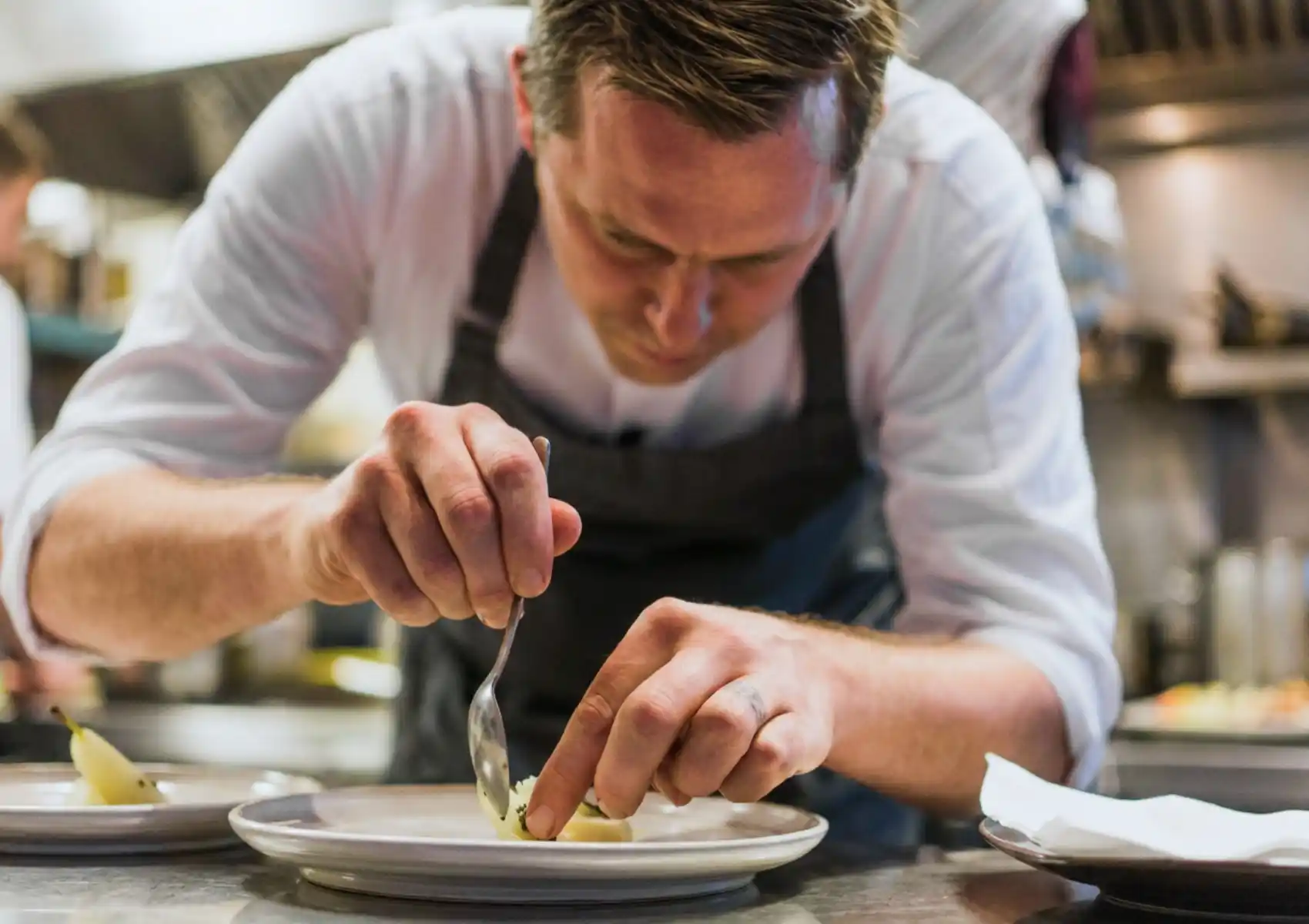
Chef Nic Vanderbeeken grew up in a Belgian kitchen culture where fermentation was already present. He arrived in Bali and found it waiting for him in an entirely different form. The resulting menu is not a survey of fermentation. It is a conversation between traditions that happen to share a kitchen in Ubud.
Indulge in Apéritif’s degustation menu, reserve your seat now.