The Michelin star origin is one of the more improbable stories in the history of food. A rating system that now defines the highest standards in fine dining around the world, including fine dining in Bali, began not in a kitchen but in a tyre factory. Understanding how Michelin stars evolved helps explain why they carry such prestige today and why the global fine dining scene, including the growing fine dining scene in Bali, often looks to Michelin as the ultimate benchmark of culinary excellence.
What Is a Michelin Star and Where Did It Come From?
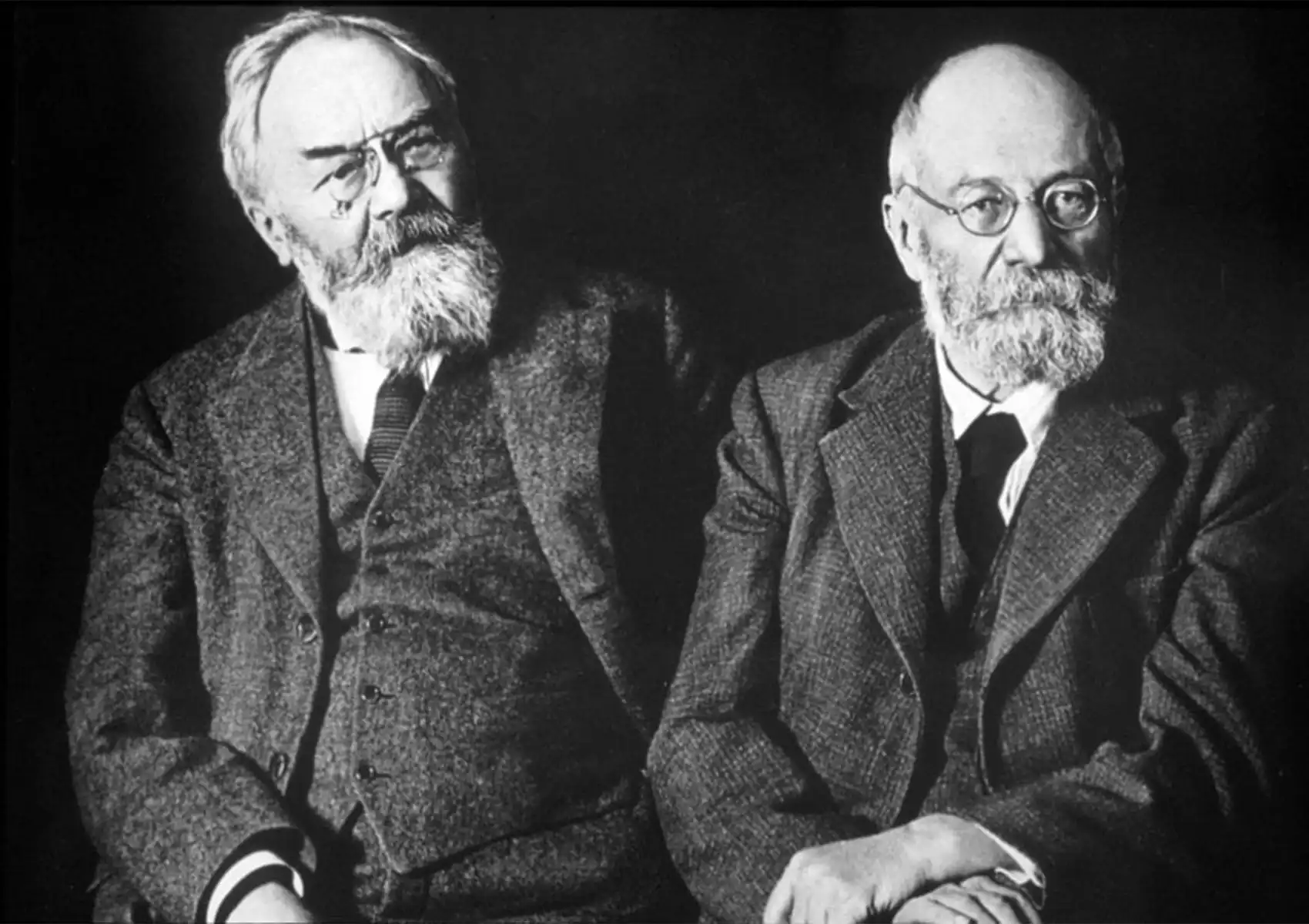
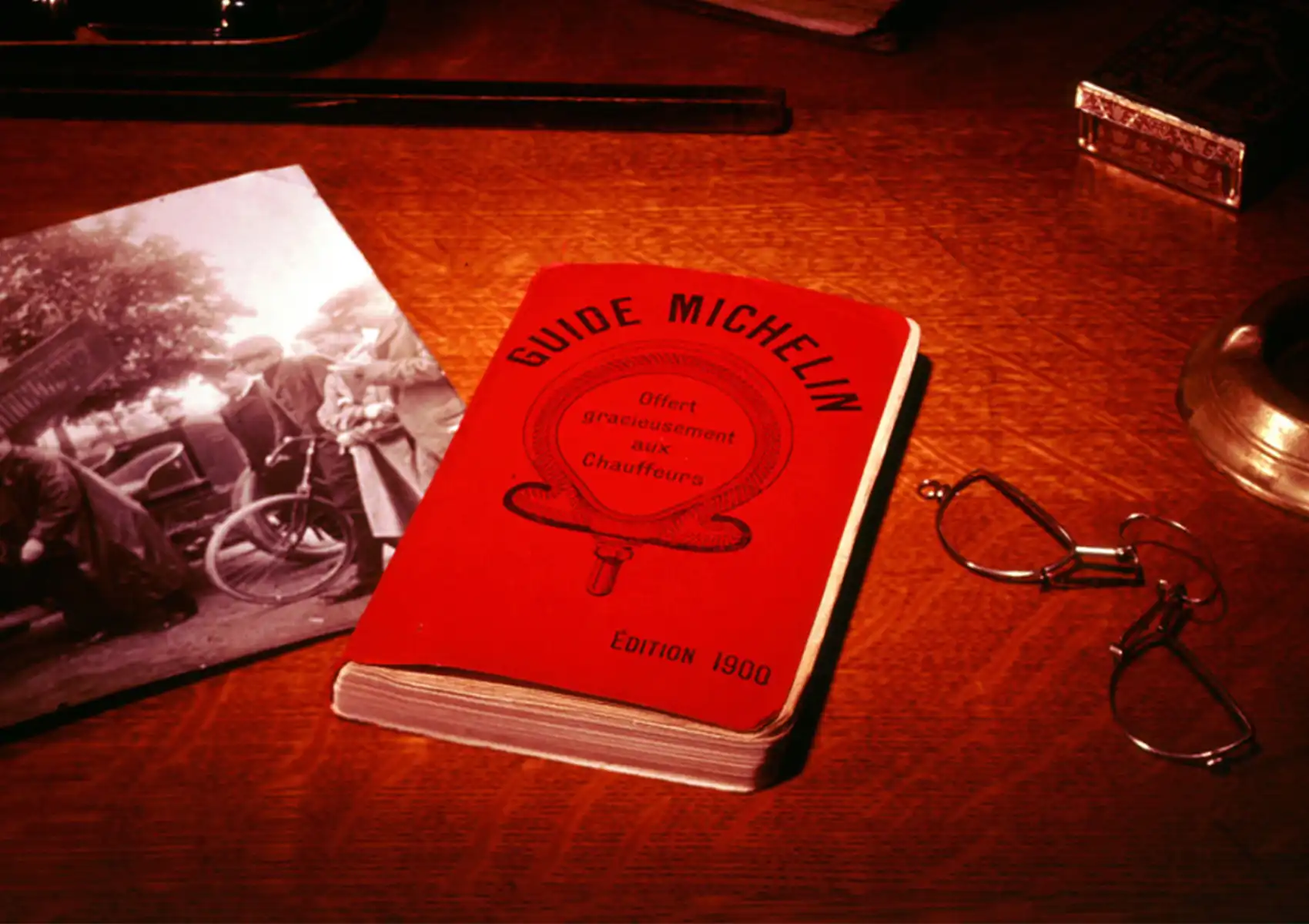
In 1900, two French brothers, André and Édouard Michelin, founded their tyre company in Clermont-Ferrand and published the first Michelin Guide. At that time, France had fewer than 3,000 cars on its roads. Roads were rough and unpaved. Petrol stations were rare. The brothers wanted more people to drive long distances, which would wear out tyres faster and drive their sales. To make travel easier and more appealing, they created a small red booklet containing maps, instructions for repairing tyres, and lists of hotels, petrol stations, and restaurants along popular routes across France. This guide was given away for free and remained so for two decades.
That changed in 1920, when André Michelin visited a tyre shop and found a stack of his guides being used to prop up a workbench. He decided the guide needed to be taken more seriously. A new edition was published that year at a price of seven francs, roughly US$1.50 at the time, with advertising removed, a list of hotels in Paris added, and the restaurant content sharpened considerably. Michelin also opened offices where motorists could get expert advice and detailed road maps for trips across Europe.
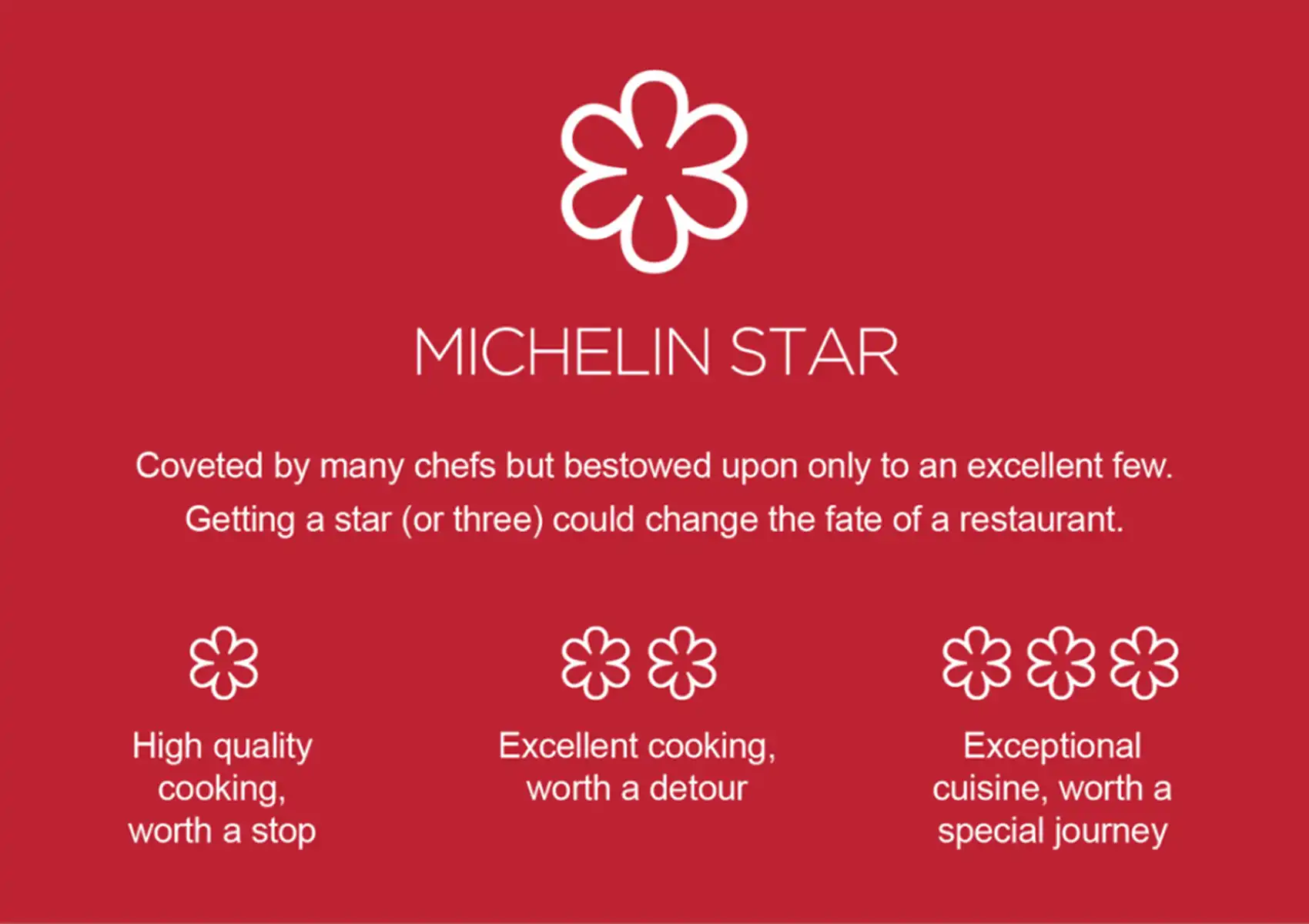
By 1926, the guide had begun awarding a single star to restaurants it considered fine dining establishments. In 1931, the rating expanded to the three-tier system that exists today, with the star definitions firmly codified by 1936: one star for a very good restaurant, two stars for excellent cooking worth a detour, and three stars for exceptional cuisine worth a special journey. The Michelin star origin, in other words, is inseparable from the origin of the car journey as a leisure activity.
Who Created the Michelin Star?
The Michelin star was created by André and Édouard Michelin, the founders of the Michelin Tyre Company in Clermont-Ferrand, France. The star as a symbol of culinary excellence was not a deliberate act of cultural institution-building. It was a practical marketing decision that happened to become the most influential quality signal in the history of fine dining.
The inspectors who evaluate restaurants on behalf of the guide are full-time Michelin employees who operate anonymously. They are typically professionals with extensive backgrounds in hospitality who visit restaurants multiple times across different seasons before forming a recommendation. The five criteria they evaluate are: quality of ingredients, mastery of flavour and cooking technique, the chef’s personality as expressed through the dining experience, value for money, and consistency across visits.
That last criterion, consistency, is the one that separates restaurants that receive stars from those that simply have good nights. A restaurant may impress diners with a spectacular meal on a particular evening, but true culinary excellence is measured by the ability to deliver the same standard every day.
This principle applies to Michelin-starred restaurants around the world and to fine dining restaurants in Bali seeking to operate at the highest international level.
Which Country Made the Michelin Star?
The Michelin star is a French invention, created by a French company and applied first to French restaurants. The early editions of the guide covered only France, and the first starred restaurants in 1926 were all French establishments.
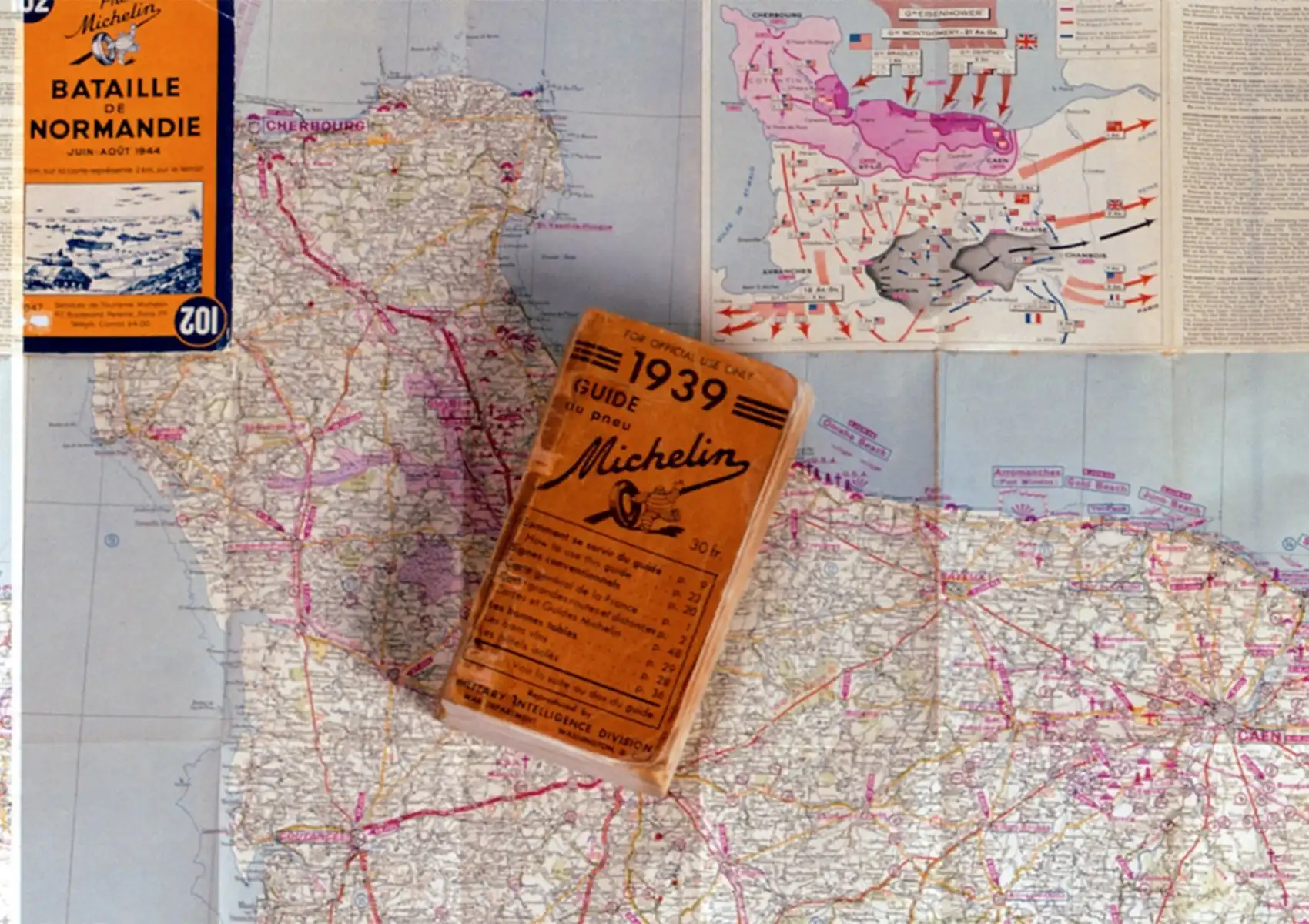
The guide expanded across Europe through the mid-twentieth century and paused during both World Wars. During World War II, the guide played an unexpected role in the war effort: the U.S. Government requested permission to reprint the 1939 edition because it contained detailed, up-to-date maps of France and its cities, and Allied forces carried them during the Normandy invasion.
The guide resumed in 1945 with renewed ambition. The Bib Gourmand category, recognising exceptional value at a more accessible price point, was introduced in 1997. The Michelin Plate, recognising good food that does not quite qualify for a star or Bib Gourmand, followed in 2018. The Green Star, acknowledging restaurants that combine culinary excellence with sustainable practices, was introduced in 2020. The Michelin Key was introduced in 2024 to recognise exceptional hotel stays.
The guide arrived in the United States in 2005, beginning in New York City. Its expansion into Asia, covering Tokyo, Hong Kong, and Singapore among others, brought the Michelin conversation into the region where some of the world’s most exciting fine dining is now happening.
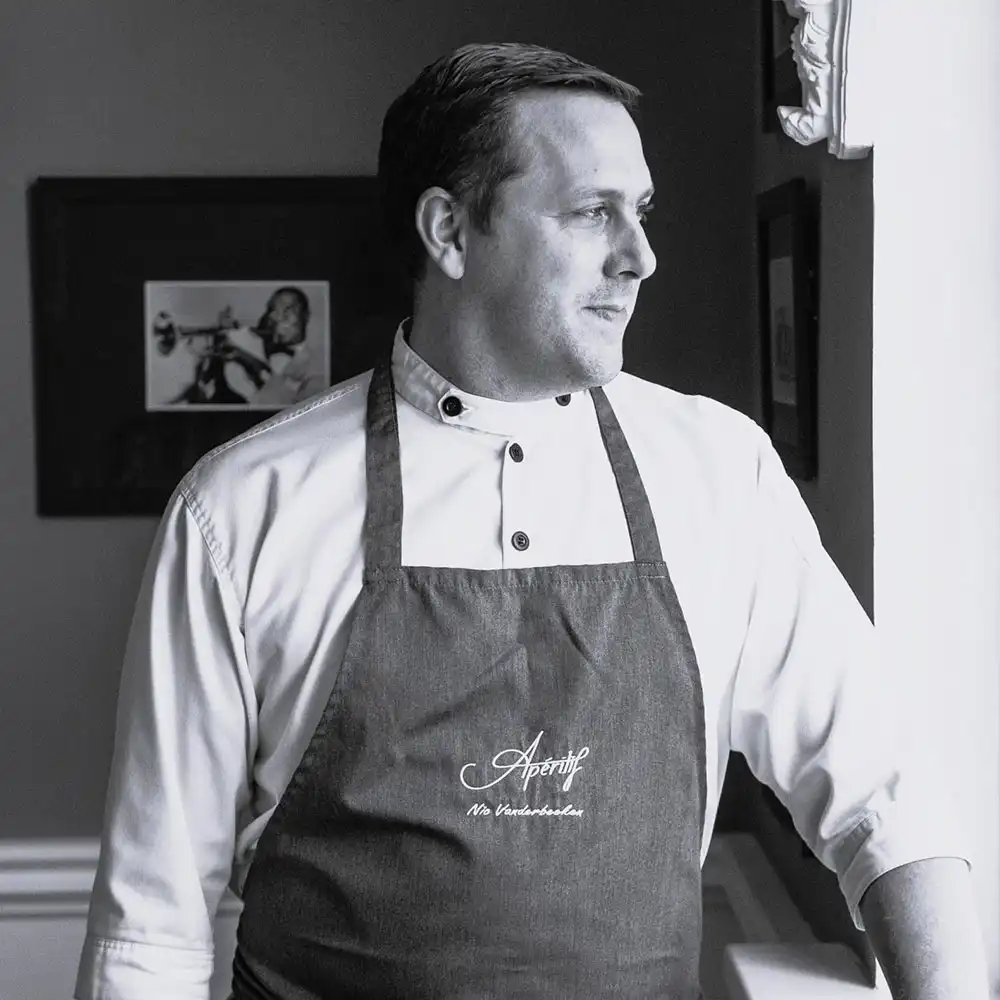
Bali does not yet have a dedicated Michelin Guide edition. What it does have is a fine-dining scene that has drawn the attention of Michelin-starred chefs from around the world, several of whom have chosen to collaborate specifically with Apéritif’s kitchen. That form of peer recognition, chefs who have earned stars choosing to cook alongside Nic Vanderbeeken, is meaningful precisely because it is not a formal category.
In October 2025, the Viceroy Bali, home to Apéritif Restaurant, was awarded a One MICHELIN Key. The MICHELIN Key is a hotel award that recognises exceptional stays based on design, service, character, and overall guest experience. While the award is given to the resort rather than its individual restaurants, dining at Apéritif forms an integral part of the Viceroy Bali experience. Together, the hotel and restaurant reflect a shared commitment to the level of quality and attention to detail that Michelin recognition is designed to highlight.
Separately, in 2019, the official MICHELIN Guide website published an editorial feature titled “Upping The Fine-Dining Game In Bali” that focused specifically on Apéritif and Executive Chef Nic Vanderbeeken. Being profiled by the Guide’s editorial arm signals to a global audience that this kitchen is operating at a level that merits the attention of their inspectors.
Which Chef Has 32 Michelin Stars?
The late French chef Joël Robuchon, who passed away in 2018, held 32 Michelin stars at the peak of his career in 2016, spread across restaurants in 13 different countries. This remains the highest number of Michelin stars ever held by a single chef at one time, earning him the title of Chef of the Century from Gault&Millau.
The living chef with the most Michelin stars is Alain Ducasse, who has accumulated 21 stars across a career spanning multiple continents. Both Ducasse and Robuchon represent a particular model of culinary achievement: not just cooking brilliantly in one place, but maintaining Michelin-level consistency across multiple kitchens, languages, cultures, and ingredient pantries simultaneously.
This is precisely the challenge that faces any fine dining restaurant operating outside the traditional centres of Michelin coverage. Consistency is not only about technique. It is about sourcing, about the team, about the systems that allow a kitchen to perform at its best every day, regardless of circumstances.
For any fine dining restaurant, consistency is among the most demanding standards to uphold. Sourcing rare ingredients and retaining world-class talent requires extra effort. That Apéritif’s kitchen has attracted Michelin-starred chefs for collaborations and earned editorial coverage from the Guide itself is evidence that the standard is being met.
The commercial stakes of that consistency are significant. Various industry studies have suggested that Michelin stars can significantly increase demand, with some estimates indicating revenue increases ranging from around 20 per cent for one-star establishments to substantially higher gains for restaurants awarded multiple stars. Recognition from Michelin-associated platforms, whether through editorial coverage or hotel distinctions such as the MICHELIN Key, can be one of several indicators guests consider when evaluating luxury hospitality experiences.
What does all of this mean for a guest booking a table in Ubud? While Michelin does not currently publish a guide for Indonesia, Apéritif’s emphasis on technique, consistency, and hospitality reflects many of the qualities Michelin values in leading fine-dining destinations worldwide.
For guests planning their first visit to a restaurant of this calibre, understanding Michelin-star restaurant etiquette is a helpful starting point. For those curious about the system’s ceiling, a closer look at how many Michelin stars a restaurant can receive clarifies what each level represents. And for guests weighing the experience, a breakdown of how much Michelin-starred restaurants cost puts fine dining into a useful global context.
How the Michelin Star Origin Connects to Fine Dining in Bali Today
The journey from French roads in 1900 to fine dining in Bali in 2026 is longer than it appears. What the Michelin star origin story ultimately tells us is that the system was always about the journey, literally and figuratively. The guide existed to make travel worthwhile, to give people a reason to drive further, eat better, and discover something they would not have found otherwise.
The Michelin Guide’s original purpose was to identify places worth a journey. More than a century later, Apéritif seeks to offer that same sense of destination dining: a restaurant in Ubud that rewards the effort of getting there with a carefully crafted fine-dining experience.
While Michelin does not currently publish a guide for Indonesia, Apéritif places a strong emphasis on the qualities that Michelin has historically valued, including consistency, attention to detail, and exceptional hospitality. This commitment is reflected in the restaurant’s collaborations with Michelin-starred chefs and in its growing reputation among international diners. For guests who regularly visit acclaimed fine-dining restaurants around the world, many aspects of the experience may feel reassuringly familiar.
The Michelin Guide was built to celebrate restaurants worth a special journey. At Apéritif, that spirit lives on through a dining experience designed to reward every guest who makes the trip to Ubud.
Reserve your table and discover one of Bali’s leading fine-dining destinations. Lunch is served from 12 noon to 2 pm, while dinner service begins at 6 pm, with the last kitchen order at 8:30 pm. Advance booking is required.